
 EN
EN
 AR
AR
 NL
NL
 FR
FR
 DE
DE
 IT
IT
 NO
NO
 PL
PL
 PT
PT
 RU
RU
 ES
ES
 SV
SV
 IW
IW
 GA
GA
 MI
MI
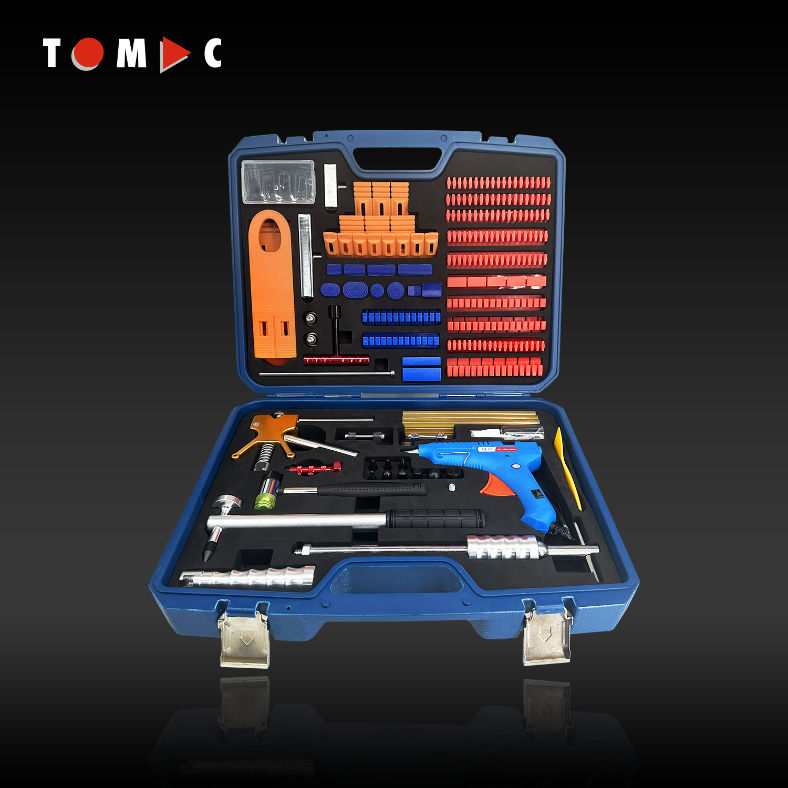
Precision Outcomes Start with Professional-Grade Dent Repair Tools
How rigid, ergonomically optimized dent repair tools enable sub-millimeter PDR accuracy
Dent repair tools designed for professionals offer incredible precision down to fractions of a millimeter thanks to their solid aerospace aluminum construction and thoughtfully designed grip points. These aren't your run-of-the-mill tools that bend or twist when force is applied something absolutely essential when working on those super strong steel panels found in modern vehicles. Even the slightest deviation beyond about 1mm can leave noticeable waves in the panel's surface. The specially shaped handles spread out the pressure across the hand, letting techs make those tiny adjustments below half a millimeter during paintless dent removal work. Technicians who've been using these tools report feeling less tired after long days at the bench, which makes sense given how much finer control they have over each adjustment. This kind of control really matters when tackling complicated repairs that require absolute consistency throughout.
Why tip fidelity and material integrity prevent slippage and surface distortion
The integrity of tool tips matters a lot when it comes to preserving original equipment manufacturer finishes. Hardened steel tips rated at HRC 55 or higher keep their shape and detail even after thousands of uses, something softer metals just can't do because they tend to get all burred up and squish out under pressure. Good tooling stops two big problems from happening. First, there's the slippage issue that ends up scratching those precious factory finishes. Second, uneven force distribution causes unwanted distortions in the workpiece. Take hardened steel for example it sends force straight through about 40 percent better than zinc alloys would, so no more seeing that annoying halo effect around repaired areas. When paired with those tough aerospace grade aluminum cores that resist twisting, these tools stay flat against the metal surface and actually help protect those paint layers that stick around on cheaper tools often crack right where nobody wants them to.
Time Savings and Profitability Gains from Reliable Dent Repair Tools
40–60% faster repair cycles vs. conventional methods—validated by I-CAR 2023 benchmark data
According to I-CAR's latest numbers from 2023, shops that invest in professional quality dent repair equipment see their repair times drop anywhere from 40 to 60 percent when compared to old school techniques. Most techs can fix common dents within just three hours these days without having to take apart panels or do any painting work. Why? These modern tools are built with better balance so they don't wear out hands as fast, plus their shapes let mechanics get right at problem areas without struggling against awkward angles. Shops report being able to handle about 1.8 to 2.2 times more jobs each week after switching to this gear. That kind of boost means serious money coming in month after month for collision centers looking to grow their business sustainably.
Reduced rework and labor cost: High-quality dent repair tools cut shop-level error rates by up to 35%
Better precision tools mean fewer risks during operations. Tools made from aerospace grade alloys maintain their shape even after many uses, which helps prevent surface distortions that cause around 70-75% of those pesky callback repairs we see all the time in workshops. Shops report seeing error rates drop by roughly a third when switching to these better tools, while saving nearly 20% on yearly labor expenses too. The hardened steel used in construction can handle over 200 thousand repair cycles before showing any wear at all. Mid sized repair facilities typically lose about $740,000 each year because of failed tools according to research from Ponemon back in 2023, so investing in durable equipment makes good business sense for anyone running a workshop.
Protecting OEM Paint Integrity Through Superior Dent Repair Tools
How precision tool control eliminates micro-scratches, paint stress fractures, and halo effects
Keeping those original factory finishes intact requires incredibly precise control at the millimeter level something that just cant be done without proper dent repair equipment designed specifically for gentle contact and adjustable pressure settings. The right tools have specially made tips plus good weight balance throughout which stops those tiny scratches and cracks in the paint that happen when pressure isn't consistent across the surface. When technicians apply force correctly they also eliminate those annoying halo effects where the paint around a dent starts peeling away from the metal underneath. Cars that still have their original factory paint tend to sell for about 15 to 20 percent more money on the used car market and nobody wants to deal with repaint headaches like getting the wrong shade or accidentally voiding warranties. Industry research shows these specialized tools cut down on finish problems during repairs by nearly 30 percent according to recent collision repair reports.
Essential Dent Repair Tools Categories and Smart Selection Criteria
Core professional dent repair tools: rods, hammers, glue-pull systems, LED inspection lighting, and reflection aids
A fully equipped PDR technician relies on five essential categories:
- Rods and hammers, crafted from aerospace-grade aluminum and hardened steel for rigidity and tip longevity
- Glue-pull systems, enabling tension-based extraction without surface contact
- High-intensity LED lighting, revealing subsurface deformations invisible to the naked eye
- Reflection boards, detecting subtle surface inconsistencies through light distortion
- Precision inspection mirrors, providing critical angles in tight access zones
Efficiency and consistency hinge on material integrity and ergonomic design—not just tool count. These components collectively support sub-millimeter corrections while protecting OEM finishes.
Avoiding the low-cost trap: Why budget dent repair tools increase long-term operational costs
Budget tools often inflate total cost of ownership through premature failure and performance gaps:
- Tip deformation under load causes paint fractures and inconsistent force transfer
- Poor calibration leads to inaccurate corrections and repeat visits
- Limited access geometry forces panel disassembly—adding labor and risk
Shops using professional-grade equipment report 35% fewer comebacks, confirming that upfront investment in precision tooling delivers measurable gains in finish retention, labor efficiency, and customer satisfaction.
FAQ
What are the benefits of using professional-grade dent repair tools?
Professional-grade tools offer precision down to fractions of a millimeter, reduce repair times by up to 60%, and cut shop error rates by 35%. They maintain OEM paint integrity and improve overall operational efficiency.
Why is material integrity important in dent repair tools?
Material integrity prevents tool deformation, which can cause paint fractures and inconsistent force transfer. Tools made from durable materials maintain their shape and ensure accurate repairs, reducing rework.
What are the essential categories of dent repair tools?
The essential categories include rods and hammers, glue-pull systems, LED inspection lighting, reflection boards, and precision inspection mirrors. These tools support precise corrections and protect OEM finishes.
Why should shops avoid low-cost dent repair tools?
Budget tools can lead to higher total cost of ownership due to premature failure and inaccurate repairs. Investing in high-quality tools reduces comebacks and enhances shop efficiency.