
 EN
EN
 AR
AR
 NL
NL
 FR
FR
 DE
DE
 IT
IT
 NO
NO
 PL
PL
 PT
PT
 RU
RU
 ES
ES
 SV
SV
 IW
IW
 GA
GA
 MI
MI
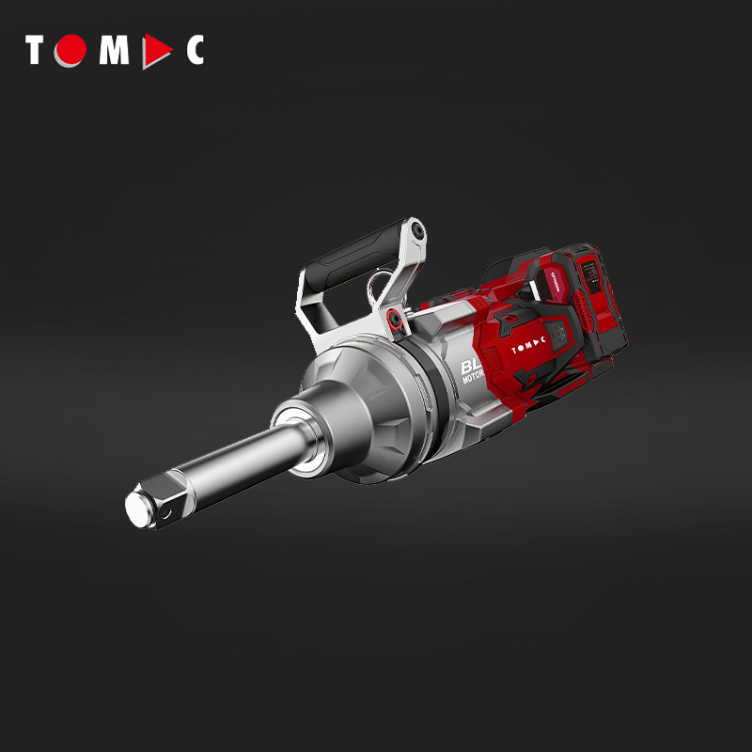
High-Output Cordless Power Tools: Accelerating Repetitive Fastening and Drilling
Time Savings in Wheel-End and Chassis Assembly with Brushless Impact Wrenches
The switch to brushless impact wrenches can reduce assembly time by around 25 to 30 percent for wheel end and chassis work when compared with traditional brushed models. These tools eliminate the friction from carbon brushes which allows them to maintain high torque levels without getting too hot. What this means is they keep running at steady RPM even when working hard, so mechanics can drive those M12 through M24 fasteners about 15% quicker while still being precise enough for quality work. Going cordless also makes a big difference since there's no air hose getting in the way anymore, giving technicians better movement around tight suspension areas. A major car manufacturer actually saved 42 man hours every 10,000 vehicles produced after making the change to brushless systems. Plus these tools last forever really, with batteries that hold up through over 700 charges before needing replacement. This kind of durability cuts down on downtime substantially, keeping production lines moving smoothly between different stations throughout the factory floor.
Intelligent Torque Control Reduces Rework and Ensures Process Consistency
Torque control systems have been game changers when it comes to reducing fastener rework, cutting down on wasted work by around 45% in critical areas such as mounting brake calipers. These smart tools powered by microprocessors can adjust themselves based on how joints vary and what kind of materials they're working with, hitting target torque levels pretty much spot on, usually within plus or minus 3%. Sensors built right into these systems actually watch out for signs that threads might get stripped and stop the tool from turning further before any real damage happens, which helps meet those tough ISO/TS 16949 quality requirements. We're talking about preventing all that extra work that typically eats up between 12 and 18% of time spent on suspension assembly jobs because bolts were either too loose or way too tight. Plus there's this great feature where everything gets logged so we can track back through records during quality checks. And let's not forget about the profiles that can be programmed into these tools, making switching between different car models much smoother than traditional methods. What does this mean? Consistent tension across every shift at the plant, and significantly fewer warranty issues coming from improper tightening practices.
Precision Surface Preparation Tools: Scaling Sanding, Grinding, and Finishing
The latest generation of power tools is changing how industries approach surface prep work, striking just the right balance between getting things done fast and keeping quality intact. Take dual mode orbital sanders for instance these machines can slash prep time by around 42% when working on car body panels without messing up the final look according to recent industry data from last year. When it comes to welding jobs, pneumatic grinders really shine because they maintain consistent speed even under pressure. This stability makes all the difference in achieving smooth weld blends that don't require going back over them again, something every shop owner knows saves both time and money on big structural projects.
Dual-Mode Orbital Sanders Cut Prep Time by 42% Without Compromising Finish Quality
When working with different materials, operators alternate between random and forced rotation settings depending on how hard the surface is, which cuts down on body filler sanding time almost in half. Keeping things consistent is important too, so surfaces stay within that 1.2 micron range and don't end up with those annoying sanding lines that show up when using only one mode. The system has been designed with better dust collection channels as well, meaning shops can save around 32 percent on their compressed air usage compared to regular pneumatic sanders out there.
Pneumatic Grinders Deliver Load-Stable RPM for Critical Weld Blending and Frame Finishing
Turbine systems that keep pressure constant manage to stay within about 2% RPM variation even when working hard, which makes material removal much more predictable during frame finishing operations. What this means in practice is that weld seams don't get ground away too little while chassis rails aren't thinned out excessively, something that matters a lot when getting surfaces ready for those powder coating adhesion tests. Looking at some independent research from last year's Industrial Tool Performance Review, these systems apparently produce around 28% fewer surface flaws compared to their electric counterparts in situations where there's lots of torque involved in grinding. Not bad for something that can make such a difference in quality control.
Ergonomic Electric Torque Tools: Merging Precision, Compliance, and Operator Sustainability
Weight-Distributed Design Cuts Fatigue-Related Errors by 38% in High-Cycle Assembly
Today's torque tools are designed with weight balance in mind so workers don't get as tired when doing the same motions over and over again. On those busy auto assembly lines where technicians might tighten bolts 500 times or more each day, better ergonomics actually helps prevent mistakes caused by fatigue. Some real world tests show error rates drop around 38% with these improved designs. Manufacturers have started using carbon fiber for tool frames because it cuts down on weight while still holding up under tough conditions. This matters a lot in places like engine assembly where even small errors can mean expensive fixes later on. And there's another benefit too: workers who aren't as worn out tend to stay healthier overall. Studies indicate that musculoskeletal injuries decrease by about 19% when people aren't fighting against poorly designed tools all day long. That kind of improvement makes sense for companies wanting to keep their skilled workforce intact over time.
Pulse vs. Direct-Drive Torque Systems: Accuracy Trade-Offs in Brake Caliper and Suspension Assembly
There are basically two types of electric torque systems out there: pulse tools that give those quick torque bursts, and direct drive systems that keep spinning continuously. Each works better for different jobs on the shop floor. Pulse tools can hit around 2% accuracy even when things get shaky during wheel end assembly work. This helps prevent joints from failing because they consistently reach those peak torque levels needed. Direct drive systems tend to be more accurate at about 1% in places where everything needs to stay steady like suspension installations. The smooth rotation keeps threads intact instead of damaging them. When working on brake calipers, mechanics really appreciate the anti recoil feature of pulse tools. For mounting sensitive electronic sensors though, direct drive wins hands down with its precise rotational control. Looking at actual production numbers tells us something interesting too. Shops using pulse tools finish high torque tasks roughly 22% faster than before. Meanwhile, direct drive systems cut down cross threading problems by about 31% according to industry reports.
Tool Lifecycle Management: Training, Calibration, and Maintenance as Efficiency Multipliers
Managing the life cycle of tools means bringing together training programs, regular calibration checks, and planned maintenance work to keep productivity levels high while making sure equipment lasts longer in factories where machines run constantly. When tools are calibrated to stay within plus or minus 2% torque tolerance, this actually cuts down on rework by around 31% compared to when tools aren't properly calibrated at all. A good maintenance schedule stops most unexpected breakdowns before they happen. For instance, changing those motor brushes after about 500 hours of operation and giving pneumatic tool air filters a quick clean each week can boost the time between failures by nearly half. Training operators makes all these efforts even better. Plants that run biannual certification sessions for their staff see roughly 28% fewer cases where tools get handled wrong, plus tasks get done 19% quicker overall. Looking at it from another angle, companies that take this comprehensive approach stop thinking about tool management as just fixing things when they break. Instead, they start seeing it as part of their strategy. The math works out pretty well too: investing one hour in proper maintenance typically saves about three and a half hours later on because there are fewer interruptions and products come out consistently good quality.
FAQ
What are the benefits of using brushless impact wrenches?
Brushless impact wrenches offer reduced assembly time, maintain high torque levels without overheating, and provide better maneuverability without air hoses, resulting in significant time and labor savings.
How do intelligent torque control systems help in assembly?
These systems reduce fastener rework and wastage by adjusting to materials and joint variations, ensuring precise torque levels, preventing thread damage, and enhancing overall process consistency.
What advantages do dual-mode orbital sanders offer?
Dual-mode orbital sanders effectively cut prep time while maintaining finish quality. They offer versatility with random and forced rotation settings, reducing sanding time and compressed air usage significantly.
Why are ergonomic electric torque tools important?
Ergonomic tools reduce worker fatigue and errors, enhancing precision in high-cycle assembly tasks. The design, often using carbon fiber, improves operator comfort and reduces injury rates.
What is the difference between pulse tools and direct-drive torque systems?
Pulse tools deliver quick torque bursts and are ideal for high-torque tasks. Direct-drive systems offer continuous rotation for precision tasks, both providing specific advantages depending on job requirements.
Table of Contents
- High-Output Cordless Power Tools: Accelerating Repetitive Fastening and Drilling
- Precision Surface Preparation Tools: Scaling Sanding, Grinding, and Finishing
- Ergonomic Electric Torque Tools: Merging Precision, Compliance, and Operator Sustainability
- Tool Lifecycle Management: Training, Calibration, and Maintenance as Efficiency Multipliers
- FAQ