
 EN
EN
 AR
AR
 NL
NL
 FR
FR
 DE
DE
 IT
IT
 NO
NO
 PL
PL
 PT
PT
 RU
RU
 ES
ES
 SV
SV
 IW
IW
 GA
GA
 MI
MI
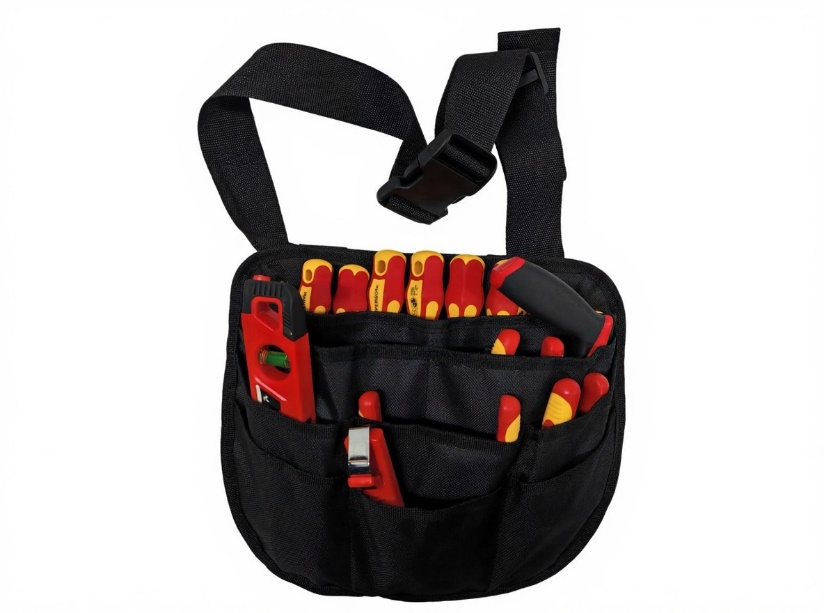
Understanding VDE Certification: What the Standard Really Guarantees
Voltage Rating Realities: Why 1000 V AC / 1500 V DC Requires Contextual Safety Practices
The VDE certification with its 1000 V AC / 1500 V DC rating comes from dielectric tests done at 10,000 volts, which gives a pretty good safety buffer beyond normal operating voltages. Still, just having this rating isn't enough to ensure protection when things get messy in actual work environments. Insulation tends to break down over time due to all sorts of issues we see daily - water getting everywhere, chemicals coming into contact, plus constant physical stress on the equipment. Looking at field reports, around 40% of these insulated tools end up failing inspections after only about half a year of heavy industrial duty. For real safety, it makes sense for workers to check their tools' insulation status regularly before starting any job. They should also keep tools away from anything conductive like oil or coolant spills. And if they spot tiny cracks forming, notice any swelling areas, or find worn spots on the handles, those tools need to be taken out of service right away.
Beyond the Label: Rigorous VDE Testing – High-Voltage, Mechanical, Thermal, and Ageing Validation
True VDE assurance rests on four interlocking validation pillars:
| Test Type | Critical Criteria | Field Relevance |
|---|---|---|
| High-Voltage | 10,000V dielectric strength verification | Handles transient surges |
| Mechanical | 3x rated torque and impact resistance | Prevents catastrophic failure mid-task |
| Thermal Ageing | -25°C to 70°C cycling resilience | Ensures stability across environmental extremes |
| Chemical Exposure | Resistance to oils, solvents, and ozone | Maintains insulation integrity near common hazards |
Essential VDE Tools for Live-Work in Industrial Environments
Core Hand Tools: Insulated Screwdrivers, Pliers, Cutters, and Socket Wrenches – Performance Under Load
When working on panel adjustments, making wire terminations, or doing routine live work, having VDE certified screwdrivers, pliers, cutters and socket wrenches becomes absolutely necessary. These tools feature double layer insulation that can handle up to 1000 volts AC or 1500 volts DC. They're built specifically to stand up against dangerous arc flashes and prevent accidental contact with live components. The cutters on these tools are precision ground so they slice through conductors clean without damaging the strands inside, which helps avoid those hidden failures down the road. Generic insulated tools just don't cut it (literally). VDE compliant ones go through extensive testing including thousands of mechanical stress cycles and thermal aging tests. This means their protective qualities stay strong right from day one until they eventually wear out after years of service.
Specialized VDE Tools: Torque-Controlled Drivers and HV-Specific Solutions for Power Distribution
When working with high voltage systems like substations, motor control centers, and those big solar farms out there, specialized VDE tools just can't be replaced. The insulated torque wrenches along with those long reach sockets make it possible to tighten bolts safely on busbars rated for up to 1500 volts DC. Workers need to keep their distance from live parts, so these tools help maintain proper clearance. Then there are knockout punch drivers and cable knives too. These handle important jobs such as getting cables into conduits and preparing them properly, all while keeping workers safe. Let's not forget what the numbers show either. Non-VDE tools actually raise the chance of dangerous arc flashes by around 63% based on recent studies from the Electrical Safety Foundation International (ESFI). That's why regular shop tools simply don't cut it when dealing with equipment where even small mistakes could lead to major accidents.
Verifying Authenticity and Compliance of VDE Tools on Site
Decoding the Double Triangle Symbol, Legible Markings, and Traceable Manufacturer Documentation
Real VDE tools need checks at three different levels: looking at the physical item, visually inspecting it, and checking the paperwork. The double triangle logo that's either stamped into or laser marked on the tool shows it meets DIN EN 60900 standards. Any stickers, painted marks, or labels that can come off mean the tool isn't authentic. Permanent markings should clearly show things like voltage ratings such as "1000 V AC / 1500 V DC," who made it, and a special certification number. These markings need to stand up to wear and tear, chemical exposure, and even sunlight without fading. Documentation matters too. Every legitimate tool comes with papers proving it works properly. This includes a certificate showing it conforms to standards plus a test report tied to its serial number. These reports will mention stuff like how well the insulation holds up, dielectric strength tests, and whether it can withstand impacts. To make sure everything's current, check the status through the VDE Institute website at www.vde.com/en. Remember, these tools need to get certified again each year. If the paperwork is old or missing altogether, that means the tool doesn't meet requirements anymore and poses serious safety risks.
Safe Application of VDE Tools: Bridging Certification and Industrial Practice
Getting VDE certified establishes a solid technical foundation, but actual safety depends heavily on how these standards are applied day to day. The environment throws all sorts of challenges at electrical equipment. Think about conductive dust settling on surfaces, solvent vapors lingering in the air, high humidity levels, plus heat radiating off nearby machinery. All these factors can slowly break down insulation properties even in gear that meets certification requirements. According to research published by ESFI last year, just dirt buildup on surfaces was enough to cut dielectric strength by nearly half when the equipment was under normal operating conditions. And let's not forget about physical damage either. Tools dropped accidentally or squeezed into cramped spaces become far more susceptible to failure. That's why regular inspections need to be more thorough than just looking at things superficially.
- Daily pre-use verification: Look for scratches, discoloration, swelling, or loss of texture
- Decontamination routines: Clean with non-conductive, non-solvent agents approved for insulated tools
- Load-aware practices: Never exceed rated voltage—even briefly—or use tools beyond their designated application
- Mechanical safeguards: Store and handle to prevent abrasion, pinching, or impact in confined spaces
Retire tools after any known impact; store in climate-controlled, dedicated containers. When combined with rigorous procedures, VDE-certified tools deliver an 87% reduction in electrical injuries versus uncertified alternatives—proving that certification is only the first step. Operational vigilance closes the gap between compliance and true safety.
Frequently Asked Questions (FAQs)
What does VDE certification guarantee for power tools?
VDE certification ensures that tools meet specific safety and performance standards, including high-voltage and mechanical tests, to reduce the risk of electrical failures and other hazards.
Why is regular inspection of VDE tools important?
Regular inspections help identify wear and tear or damage, ensuring that the tools remain safe for use and continue to meet performance standards.
How can I verify the authenticity of VDE tools?
Check for the double triangle symbol, legible markings with voltage ratings, manufacturer, and certification numbers, along with traceable documentation proving compliance with standards.
Table of Contents
- Understanding VDE Certification: What the Standard Really Guarantees
- Essential VDE Tools for Live-Work in Industrial Environments
- Verifying Authenticity and Compliance of VDE Tools on Site
- Safe Application of VDE Tools: Bridging Certification and Industrial Practice
- Frequently Asked Questions (FAQs)