
 EN
EN
 AR
AR
 NL
NL
 FR
FR
 DE
DE
 IT
IT
 NO
NO
 PL
PL
 PT
PT
 RU
RU
 ES
ES
 SV
SV
 IW
IW
 GA
GA
 MI
MI
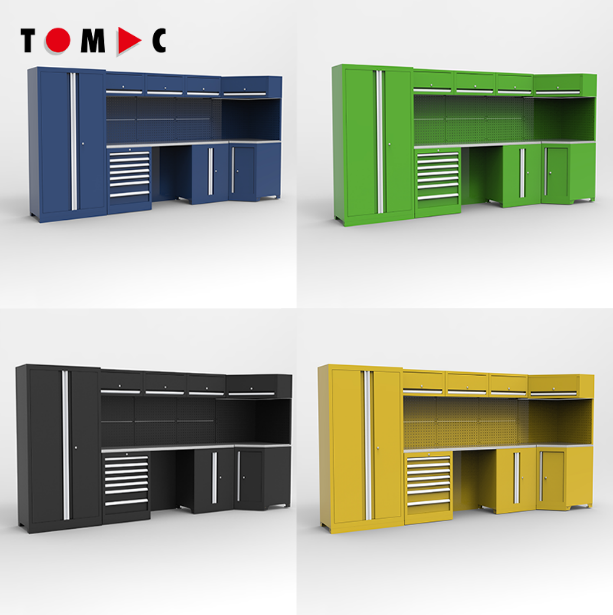
Evaluate Your Workshop's Spatial Layout and Functional Needs
Map work, storage, and traffic zones to identify optimal garage storage solution placement
Workshop organization starts with creating three main areas: where projects get done, where tools and supplies live, and paths that let people move around safely. Take a good look at how things flow through your space before setting up these zones. Keep the stuff you need all the time close to where you work on projects, maybe right next to the bench. Save those big boxes and heavy items for the walls around the edges of the room instead. When workshops are properly zoned like this, workers spend way less time hunting for what they need. Some studies suggest retrieval times drop around 30% when spaces are organized thoughtfully. Make sure there's enough room between different sections too – about 3 feet should do it so nobody gets stuck carrying stuff across the shop. Don't forget the overhead space either! Pegboards or slatwalls mounted above workbenches keep important tools within sight and easy to grab without cluttering up valuable floor area.
Measure vertical clearance, floor area, and structural constraints for scalable garage storage solution fit
Getting accurate measurements right from the start makes all the difference later on. Measure the floor area but remember to leave out those fixed installations such as water heaters and HVAC equipment first. Next step is figuring out how much vertical space there actually is between the finished floor surface and those ceiling joists above. This becomes really important if someone wants to install overhead storage solutions since these typically need around 18 to 24 inches of clear headroom beneath the ceiling itself. When it comes time to check what kind of weight load different mounting options can handle, keep in mind that standard drywall anchors generally work well for items under about 50 pounds per bracket. But if things get heavier, going with a system mounted directly into wall studs offers much better support capabilities, often handling over 200 pounds safely provided everything gets put together correctly according to manufacturer specs. Before proceeding further, it might be wise to jot down all these important limitations somewhere accessible for reference during planning stages.
| Measurement Type | Critical Considerations | Ideal Minimum |
|---|---|---|
| Vertical Clearance | HVAC ducts, garage door tracks, lighting fixtures | 24" below ceiling |
| Floor Area | Workbench footprints, vehicle parking margins, turning radius | 36" perimeter clearance |
| Load Capacity | Stud spacing (typically 16" on-center), concrete wall anchor ratings | 150 lbs per linear foot |
These metrics ensure your storage system scales reliably as your tool collection grows—and avoids costly reinstallation down the line.
Compare Key Garage Storage Solution Types by Accessibility, Capacity, and Flexibility
Wall-mounted systems (slatwall, pegboard, track) vs. freestanding cabinets: pros, cons, and ideal use cases
Mounting systems on walls makes great use of vertical space without taking away from the floor area, which is really important in small workshop spaces where every inch counts. Slatwall panels are super flexible since people can move around hooks, shelves, and baskets whenever their needs change. Pegboards are cheap and let users see what's stored, but they can only hold about 25 pounds per hook, so they work better for lighter stuff like hand tools rather than heavier items. Track systems strike a good balance between being adjustable and able to handle more weight than regular pegboards. On the flip side, freestanding cabinets offer better protection against theft, dust buildup, and vibrations, making them perfect for storing delicate equipment or dangerous substances. According to industry reports, around 74 percent of home owners go for wall mounted solutions when dealing with everyday tools, whereas cabinets continue to be the go-to option for safely storing things like chemicals, knives, or electronic components. The main differences between these options boil down to...
| Feature | Wall Systems | Freestanding Cabinets |
|---|---|---|
| Accessibility | High (eye-level, no bending) | Moderate (often requires stooping or reaching) |
| Space Efficiency | Excellent (no floor footprint) | Good (requires stable floor area) |
| Flexibility | High (reconfigurable on demand) | Low (fixed internal layout) |
Overhead storage and mobile carts: balancing safety, reachability, and workflow efficiency
Ceiling mounted storage solutions make good use of vertical space where people often store things they don't need every day - think those old kayaks collecting dust, long ladders taking up garage real estate, or Christmas decorations that only come out once a year. The catch is these overhead systems need proper installation into structural beams and require a sturdy stepladder just to reach them, which isn't great if someone needs tools(at any moment). That's where mobile workstations shine. Instead of walking across the shop floor to grab what's needed, these rolling platforms bring the necessary equipment right to where the work happens. According to some industry research, when shops switch from floor storage to wheeled units with locked wheels, accidents from stumbling over misplaced items drop somewhere around 40%. When setting up shop storage, finding the right balance between accessibility and organization usually means combining different approaches depending on what gets used most often versus what can stay tucked away until needed.
- Mount overhead units above stationary equipment (e.g., table saws or bench grinders)
- Equip carts with task-specific organizers (e.g., drill-bit trays, socket rails, or consumables caddies)
- Cap overhead loads at 100 lbs to ensure safe, one-person retrieval
This hybrid approach preserves clear pathways while supporting both long-term storage and dynamic project needs.
Integrate Tool Storage with Workflow to Maximize Daily Efficiency
Workbench-adjacent garage storage solution strategies for high-frequency tools and materials
Positioning your most-used tools within immediate reach of your workbench eliminates unnecessary movement and cuts search time by up to 40%, according to the 2024 Workspace Efficiency Report. This “point-of-use” principle is implemented in 68% of professional workshops—and it's grounded in ergonomics and cognitive load reduction. Apply it with intention:
- Install slatwall or pegboard directly behind or beside the work surface for instant visual identification and access to wrenches, clamps, levels, and measuring tools
- Add magnetic strips along the front edge of the bench for secure, glance-and-grab retention of screwdrivers, pliers, and hex keys
- Use rolling drawer units under the bench for organized, dust-protected storage of fasteners, bits, sandpaper, and adhesives
- Reserve overhead shelves above the bench for lower-priority items—like spare blades or seasonal accessories—that don't disrupt primary workflow
Modular components—such as adjustable bins, sliding trays, and interchangeable inserts—let you refine this setup as projects change, without sacrificing spatial efficiency near your most critical work zone.
Choose Modular and Future-Proof Garage Storage Solutions
Garage storage that comes in modules offers something pretty special when it comes to adapting to what happens in workshops over time. Traditional cabinets or those generic kits don't cut it compared to real modular setups where people can actually add, take away, or rearrange shelves, drawers, and storage areas as their collection grows or changes. Maybe they start with basic hand tools but later bring in bigger stuff like power drills or even wood working machines. Some folks might want to convert part of their garage space into somewhere for charging electric vehicles or setting up a small gym area. According to research published in Storage Efficiency Journal back in 2024, home owners who went for standard modular systems with adjustable heights ended up saving around 30 percent over ten years because they didn't have to keep buying new things or redoing installations. When shopping around, look for systems based on common connection standards such as T slot extrusions or universal rail interfaces. Also check if they're designed to handle different weights properly. Good modular storage isn't merely about keeping things organized. It becomes part of the foundation that supports whatever comes next in the garage.
FAQs
What are the critical measurements needed for setting up garage storage solutions?
Critical measurements include vertical clearance, floor area, and load capacity. Ensure you measure the vertical space from floor to ceiling, account for fixed installations in the floor area, and check the weight load capabilities of mounting options.
How do wall-mounted systems compare to freestanding cabinets?
Wall-mounted systems provide high accessibility, excellent space efficiency, and flexibility. Freestanding cabinets, however, offer moderate accessibility, require stable floor space, and generally have a fixed internal layout. They are better for storing delicate equipment or hazardous substances securely.
What are the benefits of modular garage storage?
Modular garage storage solutions allow for adaptability and scalability. As your tool collection or workshop needs evolve, you can add, remove, or rearrange components without the need for complete reinstallation, offering long-term cost savings.