
 EN
EN
 AR
AR
 NL
NL
 FR
FR
 DE
DE
 IT
IT
 NO
NO
 PL
PL
 PT
PT
 RU
RU
 ES
ES
 SV
SV
 IW
IW
 GA
GA
 MI
MI
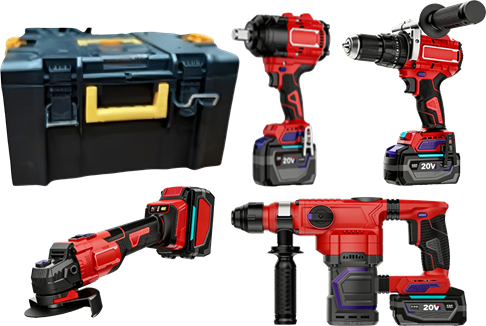
High-Torque Impact Wrenches: The Core Power Tool for Fast, Reliable Wheel and Suspension Work
High-torque impact wrenches deliver unmatched rotational force for automotive workshops, making them indispensable for wheel services and suspension repairs. These power tools generate over 1,000 ft-lbs of torque through rapid internal hammering actions—effortlessly loosening seized lug nuts and suspension bolts that defeat manual tools. Technicians gain critical efficiency:
- Removing truck wheels in 8 seconds versus 2 minutes manually
- Completing brake caliper bolt service 70% faster
- Reducing repetitive strain injuries by 45% versus traditional wrenches
Essential Applications
Impact wrenches excel in high-resistance scenarios:
- Wheel Services: Swapping lug nuts during tire rotations or replacements
- Suspension Work: Removing strut mounts and control arm bolts
- Exhaust Systems: Accessing rusted manifold fasteners
- Engine Repairs: Securing crank pulleys and flywheel bolts
Their impact mechanism minimizes kickback, allowing precise torque application even in confined spaces. For shops prioritizing bay turnover, these tools cut labor hours by 30% on suspension jobs. When selecting models, prioritize brushless motors and variable speed triggers for battery efficiency and control.
Versatile Cordless Drills and Drivers: Precision Power Tools for Assembly, Diagnostics, and Trim Work
Cordless drills and drivers have become must-have tools in auto repair shops because they offer both accuracy and flexibility across all sorts of jobs. When putting things back together after working on engines or suspensions, these tools really come into their own. The adjustable torque feature stops mechanics from stripping screws by accident, which keeps parts intact and saves time later. Mechanics also love how small some models are when dealing with tricky spots beneath dashboards or inside engine compartments. Getting panels off quickly means faster checks on wiring harnesses and sensor connections without damaging surrounding components. And let's not forget about interior work either. The gentle touch required for installing leather seats or repairing dashboard plastics makes all the difference between a flawless finish and one filled with annoying scratches that customers will definitely notice.
The latest tools come equipped with brushless motors that last longer between charges and require less upkeep over time. Many also have ergonomic handles designed to make those long hours on the job a bit more comfortable. Most use lithium ion batteries these days which typically last through an entire work shift, and being cordless means technicians can move around freely without worrying about tripping hazards from cords lying around. Shops that switch to these newer models report faster workflow speeds, better productivity from their techs, and fewer interruptions when equipment needs charging during busy periods.
Angle and Die Grinders: Critical Power Tools for Fabrication, Refinishing, and On-Site Repairs
In auto shops across the country, angle and die grinders have become essential workhorses for all sorts of jobs. They handle everything from tough fabrication work to quick fixes when time is money. What makes these tools so valuable? Well, they're great for shaping metal surfaces before welding, getting rid of rust on suspension parts, and smoothing out those stubborn body panel imperfections. The best part? Their small size lets mechanics get into tight spots nobody else can reach - think wheel wells where space is precious or deep inside engine compartments. And let's not forget those high speed abrasive discs that cut through stuff like hardened steel or composite materials faster than most competitors can even set up shop.
Angle grinders are workhorses in fabrication shops, slicing right through exhaust pipes and trimming sheet metal with those aggressive cutting wheels we all know and love. When it comes to getting into tight spots, die grinders step in with their precision detailing capabilities, especially when working with carbide burrs for cleaning up stubborn welds or doing that tricky porting job on cylinder heads. For refinishing tasks, most folks grab flap discs attached to angle grinders to smooth out body filler prior to painting. Meanwhile, die grinders handle the delicate work of polishing those intricate chrome accents, usually with some good old felt wheels doing the heavy lifting. And let's not forget about roadside repairs where cordless versions shine brightest. Mechanics can tackle seized bolts or chop off damaged fenders right there at the scene without needing to drag everything back to the shop first.
Key operational considerations include:
- Safety Protocols: Always use ANSI-rated face shields and gloves when grinding, as these tools generate intense heat and airborne debris
- Disc Selection: Match abrasive types to materials—aluminum oxide wheels for steel, diamond blades for carbon fiber
- Ergonomics: Vibration-dampened handles reduce fatigue during extended use on frame straightening or restoration projects
Workshops report 30% faster metal prep times using dedicated grinders versus multipurpose tools—directly translating to higher bay throughput. However, improper handling risks workpiece damage or injury, mandating thorough operator training on disc mounting, pressure control, and spark management near flammable materials.
Selecting the Right Power Tools: Matching Battery Platforms, Ergonomics, and Serviceability to Workshop Needs
Battery Ecosystem Compatibility Across Power Tools
Getting better results in workshops really depends on having compatible batteries for everything. Techs spend way too much time dealing with mismatched chargers and dead batteries that work only on certain equipment. When shops switch to standard voltage setups, it makes life so much easier because the same battery can run almost anything from big impact wrenches down to small angle grinders. Those closed systems from manufacturers limit what tools workers can actually use and drive up expenses since each tool needs its own special charger. Shops that adopt a single battery platform typically see around 45-50% less downtime during operations. Plus, technicians move back and forth between building parts and fixing them without constantly swapping out power sources anymore.
Ergonomic Design and Serviceability for High-Volume Technician Use
Handling tools day in and day out really wears people down when there's no good ergonomics involved. Tools that have vibration absorbing handles plus weights that are evenly distributed help cut down on those annoying strains that happen when someone has to hold them up for hours at a time. The ability to service these tools matters a lot too. Shops that run at high volume find their tools last about five times longer if they can swap out parts easily and get to those brushes without taking everything apart. When picking out grips, look for ones with textures that won't slip away and magnetic bit holders that keep things aligned even when oil gets everywhere. Real world data shows workshop managers seeing around 30 percent drop in back and joint injuries once they switched over to equipment that actually meets ergonomic standards.
FAQ
What are the benefits of using high-torque impact wrenches?
High-torque impact wrenches offer unmatched efficiency in wheel services and suspension repairs, removing seized bolts quickly and reducing strain injuries by 45%.
How do cordless drills enhance auto repair work?
Cordless drills provide precision and flexibility with adjustable torque settings for assembly, diagnostics, and trim work, helping mechanics avoid accidental stripping and damage.
Why are angle and die grinders essential in auto shops?
Angle and die grinders are crucial for metal fabrication, refinishing, and on-site repairs, offering capabilities like metal shaping, rust removal, and body panel smoothing.
How can workshop power tools improve efficiency?
Power tools with compatible battery platforms and ergonomic designs reduce downtime and injury rates, while enhancing consistency and productivity.
Table of Contents
- High-Torque Impact Wrenches: The Core Power Tool for Fast, Reliable Wheel and Suspension Work
- Versatile Cordless Drills and Drivers: Precision Power Tools for Assembly, Diagnostics, and Trim Work
- Angle and Die Grinders: Critical Power Tools for Fabrication, Refinishing, and On-Site Repairs
- Selecting the Right Power Tools: Matching Battery Platforms, Ergonomics, and Serviceability to Workshop Needs