
 EN
EN
 AR
AR
 NL
NL
 FR
FR
 DE
DE
 IT
IT
 NO
NO
 PL
PL
 PT
PT
 RU
RU
 ES
ES
 SV
SV
 IW
IW
 GA
GA
 MI
MI
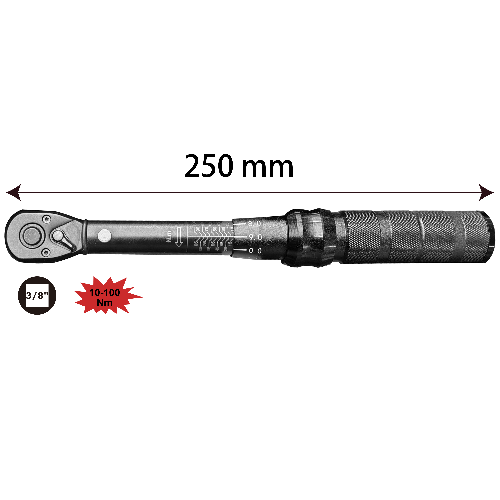
The Clearance Challenge: Why Standard Torque Wrenches Fail in Tight-Space Applications
Nose radius, body width, and swivel range limitations in flanged joints
Regular torque wrenches run into serious space problems when working on bolts in tight spots. The standard nose radius of around 3 to 5 inches makes it tough to get good contact with fasteners that are right next to things like pipe supports or structural beams. Wrench bodies wider than 2.5 inches also cause trouble in those narrow gaps between flanges that we see all over heat exchangers and valves. What really gets frustrating though is the limited 60 to 90 degree swivel range. Techs end up twisting themselves into awkward positions just to apply torque properly, which often leads to inconsistent tightening and uneven stress distribution across bolts. According to recent industry data from the 2023 Fluid Sealing Report, these design flaws actually contribute to about one out of every four flange leaks in pressurized systems. Fortunately, there are better options now. Low profile wrenches solve many of these issues with body sizes under 1.5 inches and articulation angles exceeding 120 degrees, making them much more practical for real world maintenance tasks.
Real-world constraints in petrochemical, wind turbine, and aerospace maintenance
The limitations become even more apparent when working in tight spaces. Take petrochemical plants for instance, where maintenance crews have to work through those tiny 18 inch access ports on reactors. Standard tools simply won't turn there because there's no room to swing them around properly. Wind turbine techs face similar challenges inside nacelles that barely offer 28 inches of headroom vertically. That leaves little space for the 15 inches needed by regular hydraulic equipment to function. Then there are aerospace scenarios like tightening engine pylon bolts, which need millimeter precision in cramped areas where normal square drive bits just can't get aligned right. According to the latest data from the 2024 Maintenance Efficiency Benchmark, nearly half (42%) of all maintenance delays stem from these access issues. To tackle this problem effectively, industries need specialized ultra short torque wrenches designed specifically for these extreme confined situations.
Engineering Solutions: Key Design Innovations in Ultra-Short Torque Wrenches
Reduced-Radius (RR) Ratchet Heads and Low-Profile Hydraulic Systems
The RR ratchet head design cuts down on protrusion by somewhere between 40 to 60 percent compared to regular models, which makes getting at those stubborn flange bolts possible even when there's barely 25 mm of space available. Pair these with compact hydraulic systems and operators still get pretty good torque accuracy within plus or minus 3%, but without worrying about the tool width getting stuck in tight spots along the axis. The oil and gas sector especially appreciates this tech for reactor maintenance work, and wind farm technicians find it invaluable inside turbine nacelles too. Before these tools came along, workers had no choice but to jury-rig their equipment or settle for suboptimal connections just to make things fit. According to recent field testing published in the Machinery Reliability Report last year, we're seeing about a third less damage to fasteners during these tricky bolting jobs when using RR setups.
360° Swivel/Pivoting Heads for Multi-Angle Fastener Access
Swivel heads that rotate completely around solve problems caused by pipes grouped together or complicated structures because they can apply torque at any angle from zero to full circle. The tool features two pivots that let the head move smoothly between fifteen and ninety degrees without losing connection with the socket, something really important when working on airplane frames or underwater machinery. These rotating tools get rid of those annoying blind spots that happen with regular fixed-head wrenches, which means workers spend about seventy percent less time moving their tools around when maintaining big turbines. Plus, the handles built into these tools help reduce back and shoulder pain when someone has to work above their head in tight spaces like engine compartments.
Selecting the Right Ultra-Short Torque Wrench: Matching Specifications to Application Demands
Torque range, drive size compatibility, and calibration integrity under spatial constraints
Getting the right torque range matters a lot for proper tool performance. The ideal working torque usually lands somewhere between 20% and 80% of what the wrench can actually handle. This helps maintain accuracy without risking damage from overloading the tool. When it comes to drive sizes, smaller options like 1/4 inch or 3/8 inch are great for those really tight spaces around flanged joints, though they're not meant for heavy duty work. Larger drives take up more room but deliver much more force when needed. Calibration becomes especially tricky in tough environments where things get shaken up constantly. Think about turbine maintenance or aircraft repairs where constant vibrations and odd angles make the calibration drift faster than normal. Look for tools that come with ±3% accuracy certification at minimum. And don't forget to check calibrations every three months using proper traceable standards. Keep all your calibrated equipment stored properly too. Temperature controlled storage cases help maintain consistent measurements throughout important jobs.
Operational Confidence: Ergonomics, Usability, and Long-Term Reliability in Confined Work Environments
The way tools are designed for ergonomics really makes a difference when it comes to staying safe and getting work done efficiently inside tight spots such as pipelines or inside turbines. Tools that have good balance and handle vibrations well can cut down on mistakes caused by tired workers by around 40%. Workers need this kind of control when they're stuck doing long shifts in uncomfortable positions. The low profile grips plus easy to operate switches help keep muscles from getting sore in those weird body positions people often find themselves in. Most accidents in these cramped environments actually happen because movement is so limited according to Occupational Safety Analysis data from last year. For lasting performance, manufacturers build these tools with tough alloys and give them IP67 ratings against dust, water, and chemical damage. These features maintain accurate measurements even after years of rough handling. Companies save about seven hundred forty thousand dollars each year just by avoiding the need to redo work thanks to better tool durability, according to Ponemon Institute research published recently. Plus, the consistent tightening force means critical connections stay properly secured without fail.
FAQ Section
What are the limitations of standard torque wrenches in tight spaces?
Standard torque wrenches often have issues with large nose radius, wide body width, and limited swivel range, making them ineffective in tight spaces like flanged joints, resulting in inconsistent tightening and stress distribution.
How do ultra-short torque wrenches improve maintenance tasks?
Ultra-short torque wrenches have reduced-radius ratchet heads and low-profile designs, allowing them to fit into tight spaces while providing accurate torque application, thereby reducing damage to fasteners and facilitating easier access.
What industries benefit from specialized torque wrenches?
Industries such as petrochemical, wind turbine, and aerospace benefit significantly from specialized torque wrenches as they solve confined space access issues and improve efficiency.
How can the right torque wrench ensure calibration integrity?
Selecting a torque wrench with accurate certification (±3% accuracy) and regularly checking calibrations can ensure integrity even under conditions of constant vibration and confined spatial constraints.
Why are ergonomics important in torque wrench design for confined environments?
Ergonomically designed torque wrenches help reduce user fatigue and mistakes in confined environments by offering better balance and vibration handling, which leads to safer and more efficient operation.
Table of Contents
- The Clearance Challenge: Why Standard Torque Wrenches Fail in Tight-Space Applications
- Engineering Solutions: Key Design Innovations in Ultra-Short Torque Wrenches
- Selecting the Right Ultra-Short Torque Wrench: Matching Specifications to Application Demands
- Operational Confidence: Ergonomics, Usability, and Long-Term Reliability in Confined Work Environments
-
FAQ Section
- What are the limitations of standard torque wrenches in tight spaces?
- How do ultra-short torque wrenches improve maintenance tasks?
- What industries benefit from specialized torque wrenches?
- How can the right torque wrench ensure calibration integrity?
- Why are ergonomics important in torque wrench design for confined environments?