
 EN
EN
 AR
AR
 NL
NL
 FR
FR
 DE
DE
 IT
IT
 NO
NO
 PL
PL
 PT
PT
 RU
RU
 ES
ES
 SV
SV
 IW
IW
 GA
GA
 MI
MI
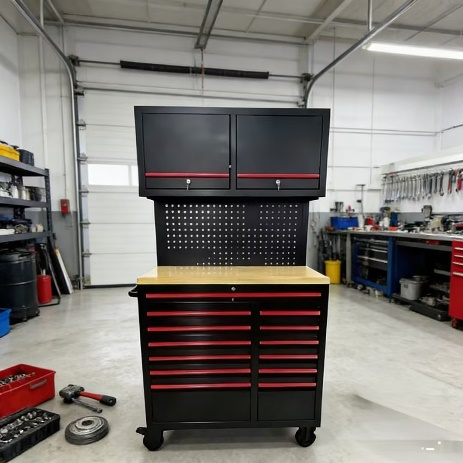
Ergonomic Design: Prioritizing Operator Safety and Sustainable Efficiency
Optimized Reach Zones and Posture Support for Reduced Fatigue
Workstation designs that place tools and materials right where workers need them cut down on unnecessary bending and stretching. Adjustable height tables paired with those cushioned mats help maintain better posture at desks, which can really take pressure off the back area something studies suggest cuts spinal discomfort by around 35-40%. For tasks requiring fine motor skills, monitors mounted at angles and work surfaces that support forearms make all the difference when it comes to keeping wrists comfortable. These small changes let staff stay focused throughout their entire shift without getting distracted by physical discomfort.
How Ergonomics Directly Boosts Throughput in Manufacturing and Warehousing
When workplaces focus on ergonomics, they're not just making things comfortable for workers but actually boosting how much gets done. Take assembly stations with adjustable heights - these setups can speed up tasks by somewhere around 15 to maybe even 25 percent because employees don't waste energy moving awkwardly anymore. Warehouse operations see similar benefits too. Those shelves that tilt at different angles cut down on the time needed to grab items while also reducing mistakes during picking processes. According to recent studies published last year in industrial efficiency reports, companies that redesign their spaces with proper posture support tend to handle about 22% more volume overall and experience roughly 30% fewer days lost due to workplace injuries. What this means practically is that what were once just static pieces of furniture throughout factories have now become real drivers behind getting more work accomplished without burning out staff.
Modular and Adaptable Work Station Configurations
Task-Driven Layouts That Support Rapid Reconfiguration
Getting things done in industry really depends on keeping operations running smooth when processes need changing. With modular workstations, companies can set up their spaces based on what needs doing next. Shelves, electrical outlets, even places to keep tools can all be moved around within just a few minutes instead of taking ages to rearrange everything. What does this mean? Well, factories lose about 70% less time when they have to switch from one product run to another or handle routine maintenance work. The flexibility makes a big difference in how fast production lines can adapt without losing valuable floor time.
- Electronics assembly lines integrate ESD-safe surfaces before sensitive component installation
- Quality control stations add magnifiers and test equipment tailored to inspection protocols
- Packaging areas attach seasonal bin holders and labeling stations without structural modification
Lean Integration: Minimizing Motion Waste with Purpose-Built Work Station Modules
About 11 percent of the day gets lost to unnecessary motion during manual operations. Specialized equipment like those swing arm monitors, retractable storage bins for parts, and those overhead lights really help keep everything within easy reach for workers. Take automotive manufacturing facilities for instance. The rolling tool carts just plug right into the workstation area so nobody has to run around looking for stuff. Work surfaces that can be adjusted up or down let employees switch between sitting and standing positions as needed. And those vertical dispensers? They keep all the required parts in sequence exactly where they need to be at the workstation. Putting all these elements together cuts down on worker movement by roughly 30%, and tasks get completed about 22% faster than when using traditional fixed setups.
Integrated Functionality: Power, Lighting, Storage, and Mounting in the Work Station
Smart Work Station Accessories That Enhance Daily Usability
When industrial workstations come equipped with integrated accessories, they become real productivity centers instead of just cluttered spaces. Power strips built right into the workstation with those modern USB-C ports get rid of all those dangerous extension cords while still powering up tools and gadgets. The adjustable LED lights make a big difference too, cutting down eye strain during detailed work by around 40 percent according to tests. Storage solutions matter a lot as well. Slide out trays for tools and special bins that protect sensitive electronics keep everything neatly arranged where workers can grab what they need quickly. Most people don't realize how much time gets wasted looking for stuff, but these systems cut retrieval time by somewhere between 15 and 30 seconds each time. Mounting systems designed specifically for this purpose hold tablets displaying digital instructions securely in place alongside pneumatic tools that are always ready to go. With all these features working together, technicians end up spending nearly all their time actually doing productive work rather than fiddling with setups or hunting through drawers.
Durable, Customizable Work Station Construction for Demanding Environments
Material Options—ESD, Stainless Steel, and Chemical-Resistant Surfaces
Choosing the right materials makes all the difference when it comes to how long equipment lasts and whether it meets industry standards. For instance, ESD safe surfaces are a must-have in places where they assemble sensitive electronics because static shocks can wreck components worth around $740,000 each time it happens. Stainless steel stands up well against rust in food production areas and pharma labs, whereas those special epoxy coatings hold their own against harsh chemicals in research facilities. Companies that go for these specialized materials typically see about 30% fewer problems with contamination and lower repair bills compared to regular off-the-shelf options. This matters a lot for maintaining clean operations and keeping workers safe day after day.
Height Adjustment, Mobility, and Scalable Work Station Footprints
Designs that can adapt really boost how efficient workflows are when dealing with all sorts of different operations. The electric height adjustment lets workers switch between sitting and standing easily, which cuts down on tiredness for those long shifts. We've seen studies showing about a 27% drop in fatigue complaints from operators using these adjustable stations. Locking casters make moving things around quick and easy too nobody has to lift heavy equipment anymore. And then there's the modular footprint aspect. These systems can fit storage units, mount tools, or connect to extra gear whenever the situation changes. For manufacturers trying to cut down on wasted movements in their lean processes, this kind of flexibility means one workstation can handle several stages of production without needing to completely rearrange the workspace every time something new comes along.
FAQ
- What are ergonomic workstations? Ergonomic workstations are designed to optimize worker comfort and efficiency by reducing unnecessary movements and supporting proper posture throughout shifts.
- How do adjustable workstations boost productivity? Adjustable workstations allow employees to work efficiently by enabling quick reconfiguration and reducing physical strain, which helps maintain focus and reduce fatigue.
- Why is modularity important in workstation design? Modularity allows workstations to be easily adapted for different tasks, supporting smoother transitions and minimizing downtime during process changes.