
 EN
EN
 AR
AR
 NL
NL
 FR
FR
 DE
DE
 IT
IT
 NO
NO
 PL
PL
 PT
PT
 RU
RU
 ES
ES
 SV
SV
 IW
IW
 GA
GA
 MI
MI
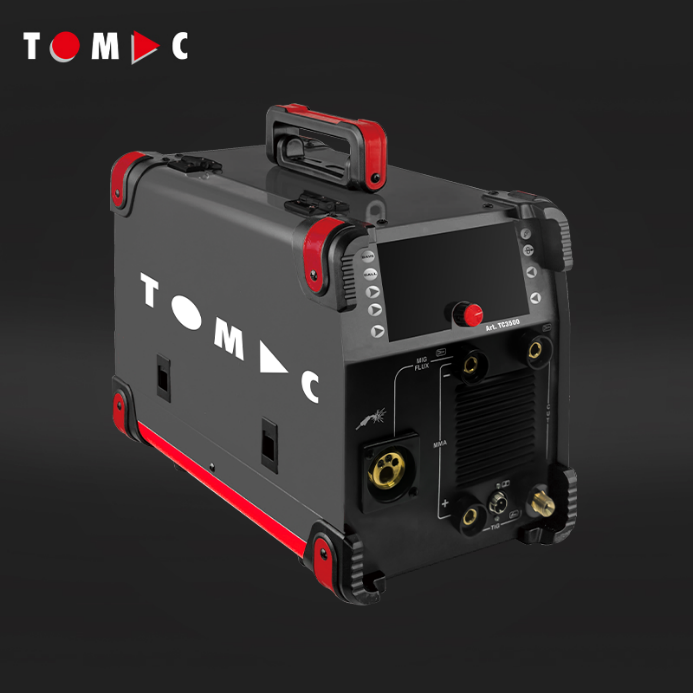
Match Power & Duty Cycle to Your Precision Workflow
Achieving precision in plasma cutting demands careful alignment of power specifications with your operational needs. An underpowered unit produces erratic cuts and excessive dross on thicker materials, while an oversized system increases operating costs and sacrifices detail on thin metals.
Selecting the right amperage and duty cycle for consistent, high-accuracy cuts on thin-to-medium metals
When working with sheet metal that's thinner than half an inch (around 12.7mm), setting the welder between 30 to 50 amps gives good control without causing too much heat distortion. The duty cycle is basically how long a welding machine can run continuously before needing to cool down during a ten minute period at full power output. This has a real impact on whether cuts stay accurate over time. Machines running at about 60% duty cycle when set to 40 amps allow for pretty much non-stop cutting work needed in automotive fabrication shops. Some research indicates that pushing machines past their stated duty cycle limits even slightly, maybe around 15%, leads to consumables wearing out about 23% quicker. And that means worse cut quality and inconsistent edges as parts get made.
110V vs. 220V input: Balancing portability, power stability, and workshop readiness for professional plasma cutter use
The 110V plasma cutters are great for getting around job sites and doing quick fixes outside the workshop, though they start losing their edge once the power cord stretches past about 50 feet because of voltage drops. When it comes to detailed work inside the shop, those 220V models really shine. They provide roughly 32 percent better arc stability than their lower voltage counterparts, which translates to much tighter cuts around 0.004 inches or 0.1 millimeters tolerance. This kind of stability matters a lot when working with thick stainless steel pieces over 3/8 inch thick (that's about 9.5mm). Maintaining consistent heat during these cuts keeps materials from warping and ensures parts stay dimensionally accurate, something every fabricator knows can make or break a project depending on how strict the specifications are.
Optimize Material Compatibility and Cut Quality with Proper Gas and Torch Setup
Air, nitrogen, and argon-hydrogen: How gas choice affects edge squareness, dross formation, and precision on steel, aluminum, and stainless steel
What gas we choose makes all the difference when it comes to how materials oxidize, how heat moves through them, and whether slag gets properly expelled from the cut area. These factors directly affect things like straight edges, amount of leftover dross, and how consistently parts come out each time. Regular compressed air works fine for cutting mild steel up to about half an inch thick, but anyone who has tried it on stainless steel or aluminum knows it leaves behind unwanted oxidation that messes with the finish quality and makes results inconsistent. Nitrogen creates a much cleaner cut since there's no oxygen involved, which is great for metals like aluminum where dross tends to form so easily. While nitrogen cuts can reduce dross by around two thirds compared to other options, they do need more gas flow to get the same cutting depth as some alternatives. When working on really important jobs that require super smooth surfaces, especially with thick stainless steel plates, most shops turn to standard argon-hydrogen mixtures (usually about 65% argon mixed with 35% hydrogen). These create extremely hot plasma arcs reaching temperatures well above 25,000 degrees Fahrenheit, allowing materials to vaporize cleanly with almost no dross left behind. Getting the right gas mixture matters a lot depending on what material we're cutting. For carbon steel work, adding some oxygen to nitrogen helps produce straighter edges. On those special aerospace alloys where even tiny amounts of oxidation matter, pure argon-hydrogen mixtures are practically necessary. Matching the gas chemistry to both the metal being cut and the tolerances needed isn't just good practice, it's pretty much mandatory for getting reliable results.
Maximize Cutting Accuracy Through Advanced Plasma Cutter Technology
Nozzle design, pilot arc stability, and high-frequency start: Engineering features that define plasma cutter precision
Precision performance in metal cutting relies heavily on three key engineering components. First, when manufacturers optimize the shape of the nozzle, they can concentrate the plasma arc much better than with regular nozzles. This actually cuts down the kerf width by around 25%, which makes all the difference when working with thin sheet metal where clean edges matter most. The second component is about maintaining a stable pilot arc. When operators pause or change direction mid-cut, this tech keeps delivering consistent power so there won't be those frustrating inconsistencies that lead to wasted material and time spent fixing mistakes. Third, modern high frequency starters allow arcs to begin without touching the workpiece at all. This protects surfaces that have already been polished or finished, something that traditional methods just couldn't handle. Put these together and shops can achieve remarkable accuracy levels within plus or minus half a millimeter even on thicker materials going up to 25mm. These aren't just nice to have features but essential building blocks for anyone serious about producing quality fabricated parts.
CNC integration and torch height control: Enabling repeatable, intricate cuts for fabrication and prototyping
When it comes to getting consistent results from plasma cutting operations, computer numerical control (CNC) systems paired with automatic torch height control (ATHC) are absolutely essential. The CNC system takes those digital blueprints and turns them into exact movement instructions for even the most complicated shapes, while the ATHC keeps adjusting the distance between the torch and material surface as needed when dealing with warped sheets or irregular workpieces. Together they deliver something pretty remarkable - parts that look almost identical across multiple runs, with around 99% consistency between units. Plus, setup times get slashed by roughly 40%, which makes a big difference on production floors where every minute counts. For prototype work especially, the real magic happens through continuous monitoring of arc voltage levels. This lets operators tweak parameters on the fly, so they can cut fine details down to just 3mm across in materials like stainless steel and aluminum without worrying about warping from excessive heat exposure.
FAQ
What is the ideal amperage for cutting thin metals?
The ideal amperage for cutting thin metals like sheet metal thinner than half an inch (around 12.7mm) is between 30 to 50 amps.
Why choose a 220V plasma cutter over a 110V one?
220V plasma cutters offer better arc stability, roughly 32 percent more than 110V models, making them ideal for detailed work with thicker materials.
What gases are best for reducing dross formation in plasma cutting?
Nitrogen is effective in reducing dross formation, especially on metals like aluminum. For thicker stainless steel, argon-hydrogen mixtures are recommended.
How does CNC integration improve cutting precision?
CNC integration allows for precise movement instructions for intricate shapes, ensuring repeatability and accuracy in cutting operations, especially when paired with automatic torch height control systems.