
 EN
EN
 AR
AR
 NL
NL
 FR
FR
 DE
DE
 IT
IT
 NO
NO
 PL
PL
 PT
PT
 RU
RU
 ES
ES
 SV
SV
 IW
IW
 GA
GA
 MI
MI
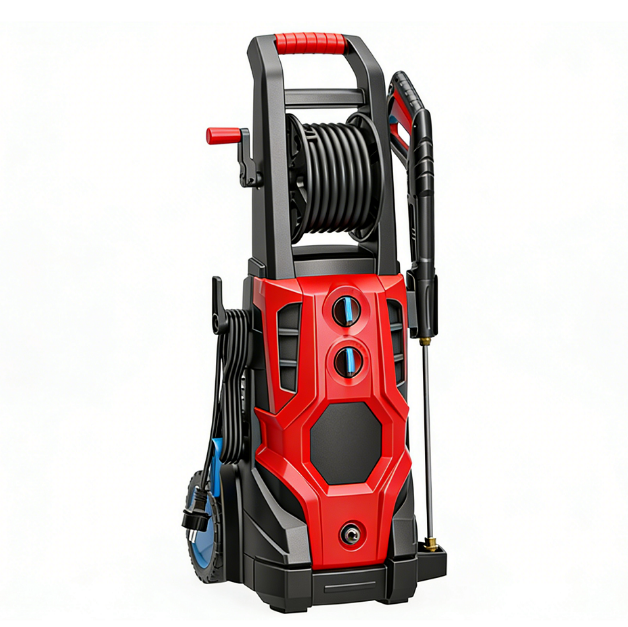
How PSI and GPM Determine Grease-Removing Power in a High Pressure Cleaner
The Optimal PSI Range (1,500–3,500) for Breaking Down Oil Bonds Without Damage
The pressure measurement known as Pounds per Square Inch (PSI) tells us how strong a water jet actually is. When dealing with stubborn grease that needs to break apart those oil molecules, somewhere between 1,500 and 3,500 PSI works best. This range gives just enough power to get through and break up those greasy chains without going overboard and scratching concrete or warping metal parts. If the pressure drops below 1,500 PSI, it simply doesn't pack enough punch to beat the grip of the grease. But crank it past 3,500 PSI and watch out for damage happening to surfaces. Studies in the automotive field show that anything beyond 1,500 PSI can mess up protective coatings when cleaning off grease (OneVanTool 2023). Most folks find around 3,000 PSI strikes a good balance, effectively clearing away heavy duty grease from equipment without harming what's underneath.
Why GPM Is the True Driver of Grease Removal—Especially in Industrial Settings
PSI does break down those stubborn grease bonds, but it's really the Gallons per Minute (GPM) that gets the job done by sweeping away all those emulsified contaminants. Flow rate ends up being the make or break element when talking about actual cleaning efficiency in practice. When we look at higher GPM rates above 4 gallons per minute, these systems can flush out those melted oils much faster so they don't have a chance to settle back onto surfaces. Food processors know this well since their cleaning schedules typically only allow for around 15 minutes between production runs. Any delay here means contaminated equipment and potential product recalls, which nobody wants to deal with.
| PSI Range | GPM Range | Industrial Grease Application |
|---|---|---|
| 1,500–2,000 | 2.0–2.5 | Conveyor belts, light machinery |
| 2,000–3,000 | 3.0–4.0 | Engine parts, production floor grime |
| 3,000–3,500 | 4.0–5.0 | Heavy equipment, polymerized oils |
A 2023 efficiency analysis found facilities using 4.0 GPM high pressure cleaner systems completed grease removal 40% faster than those using 2.5 GPM units—translating to $740k in annual productivity gains (Ponemon Institute). In compliance-driven settings, this rapid evacuation capability ensures residues don’t re-adhere, directly supporting audit readiness and hygiene standards.
Hot Water High Pressure Cleaner Systems: Why Temperature Multiplies Cleaning Efficacy
Thermal Emulsification: How Heat Lowers Surface Tension and Dissolves Grease Faster
When we talk about cleaning, heat really makes a difference. Warm water just works better because it lowers surface tension, so it can get deep into those stubborn grease spots. On a microscopic level, heat gets particles moving faster, which helps break down oil molecules about 40 percent quicker compared to using cold water only according to some research from last year. What happens next is called thermal emulsification basically when fats and oils start melting at around 120 degrees Fahrenheit. Once they're liquefied, high pressure cleaners can pick up residue much easier without needing brute force. This matters a lot in factories where surfaces need thorough cleaning but shouldn't be scratched or damaged during the process. Plus, warmer water also helps tackle those pesky biofilms that stick to equipment over time.
Cold vs. Hot Water High Pressure Cleaner Performance: Real-World Efficiency Gap in Food & Manufacturing
When it comes to showing operational differences, food processing plants tell the story best. Cleaning surfaces covered in grease takes around 15 minutes when using cold water systems. Switching to hot water brings that down to about 7 minutes total, which amounts to cutting the time in half. Why does this happen? Well, heat does two main things at once. It breaks down fats and also provides proper sanitization once temperatures reach over 150 degrees Fahrenheit according to The Environmental Blog from 2025. For manufacturers dealing with oil-based lubricants, getting those off requires water hotter than 180 degrees Fahrenheit to lower their thickness enough for removal. Just running cold water doesn't work though because it actually spreads the grime around instead of washing it away. Looking at actual results shows significant benefits too. Facilities using hot water need roughly 30 percent fewer cleaning chemicals and pass FDA inspections nearly three times quicker when it comes to meeting hygiene standards.
Selecting the Right High Pressure Cleaner for Persistent Grease: Industrial Use Cases and System Design
Food Processing Case Study: Restoring Hygiene Compliance with 220°F Hot-Water High Pressure Cleaner
Grease buildup has become a major headache for many food processing facilities across the country, creating serious contamination issues and potential regulatory problems. One poultry plant in the Midwest kept running into trouble with their sanitation inspections because of all the hardened fat stuck to their conveyor belts and machinery. They tried using those standard cold water pressure washers everyone recommends, but honestly? Those just weren't cutting it. What was left behind after cleaning actually made things worse since it created perfect conditions for biofilms to grow. When they finally upgraded to a hot water system operating at around 220 degrees Fahrenheit (that's about 104 Celsius), everything changed dramatically. The results were night and day compared to what they had experienced before.
- Thermal emulsification liquefied grease layers within seconds, cutting cleaning time by 70%
- Surface temperatures consistently exceeded pathogen elimination thresholds (165°F+), ensuring microbiological safety
- Production line downtime dropped from 3 hours to 35 minutes per sanitation cycle
Post-implementation swab tests confirmed complete elimination of Listeria and Salmonella in previously problematic zones. Within 8 weeks, the facility achieved 100% compliance with USDA FSIS audits—avoiding potential annual fines exceeding $500k. This case underscores how industrial-grade hot-water high pressure cleaners resolve persistent grease where conventional methods fail.
Safe and Effective High Pressure Cleaner Techniques to Remove Grime Without Surface Damage
Using a high pressure cleaner incorrectly risks permanent damage to surfaces like concrete, wood, or machinery coatings. Follow these evidence-backed techniques to remove stubborn grime safely and effectively:
- Optimize pressure settings: Industrial studies confirm that 1,500–3,500 PSI effectively breaks down grease bonds without substrate erosion. Exceeding 3,500 PSI increases surface pitting by 70% (Facility Maintenance Journal 2023).
- Maintain nozzle distance: Hold the spray tip 12–18 inches from surfaces. Moving closer than 6 inches concentrates force, accelerating wear.
- Apply low-angle sweeping: Use 15–25° fan nozzles in overlapping passes. This maximizes coverage while evenly distributing impact force.
- Pre-treat heavy buildup: Degreasers emulsify oils before pressure washing, reducing required pressure by up to 40%.
- Control water temperature: For non-heat-sensitive surfaces, 140°F water cuts cleaning time in half versus cold water—leveraging thermal emulsification without compromising material integrity.
Combining these techniques prevents costly repairs while maintaining cleaning efficacy—critical in food processing or manufacturing hygiene compliance. Always test methods on inconspicuous areas first.
FAQ
What is the recommended PSI range for grease removal?
The recommended PSI range for removing grease is between 1,500 and 3,500. This range is effective in breaking down grease bonds without causing damage to surfaces.
Why is GPM important in high-pressure cleaning?
GPM, or Gallons per Minute, is crucial because it determines how efficiently emulsified contaminants are removed. Higher GPM rates can quickly flush away grease, preventing re-adhesion to surfaces.
How does temperature affect high-pressure cleaning efficacy?
Higher water temperatures enhance cleaning efficacy by lowering surface tension and rapidly breaking down grease. Heat facilitates thermal emulsification, making it easier to remove grease efficiently.
What are the benefits of using hot water over cold water in pressure cleaning?
Hot water significantly reduces cleaning time and chemical usage. It breaks down fats more effectively and sanitizes surfaces, leading to faster compliance with hygiene standards.
How can I use a high-pressure cleaner safely to avoid surface damage?
To use a high-pressure cleaner safely, optimize pressure settings, maintain appropriate nozzle distance, apply low-angle sweeping, pre-treat heavy buildup, and control water temperature, adapting these steps to the surface's sensitivity.
Table of Contents
- How PSI and GPM Determine Grease-Removing Power in a High Pressure Cleaner
- Hot Water High Pressure Cleaner Systems: Why Temperature Multiplies Cleaning Efficacy
- Selecting the Right High Pressure Cleaner for Persistent Grease: Industrial Use Cases and System Design
- Safe and Effective High Pressure Cleaner Techniques to Remove Grime Without Surface Damage
-
FAQ
- What is the recommended PSI range for grease removal?
- Why is GPM important in high-pressure cleaning?
- How does temperature affect high-pressure cleaning efficacy?
- What are the benefits of using hot water over cold water in pressure cleaning?
- How can I use a high-pressure cleaner safely to avoid surface damage?