
 EN
EN
 AR
AR
 NL
NL
 FR
FR
 DE
DE
 IT
IT
 NO
NO
 PL
PL
 PT
PT
 RU
RU
 ES
ES
 SV
SV
 IW
IW
 GA
GA
 MI
MI
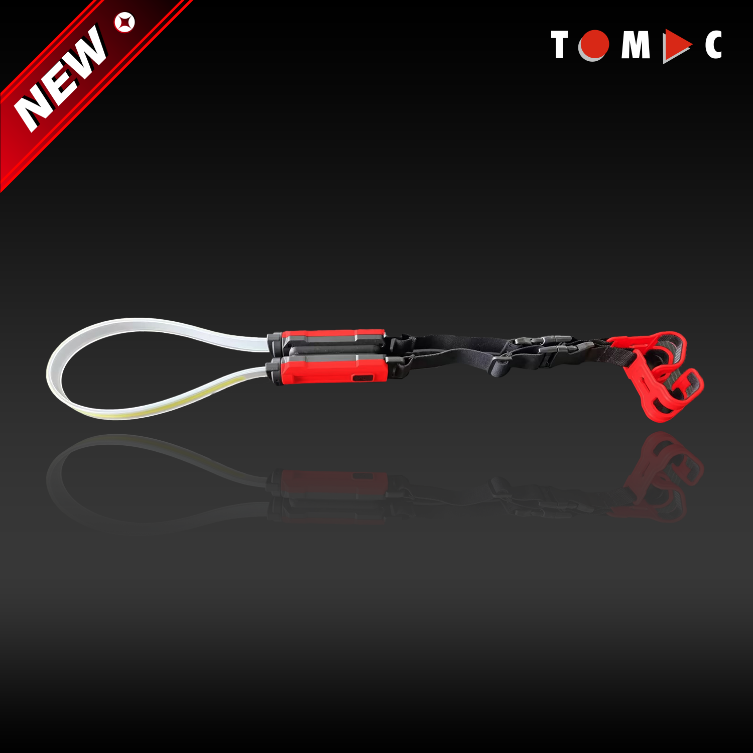
Why LED Work Lights Deliver Superior Energy Efficiency for Long Shifts
Lumens per Watt (LPW) Explained: The Core Metric for Shift-Long Efficiency
LED work lights are simply better at turning electricity into usable light compared to older options, which we measure in something called lumens per watt (LPW). Traditional incandescents barely hit 10 to 15 LPW while today's LEDs typically range from 80 to 120 LPW. That means they create the same amount of light but use about four to five times less power. This makes all the difference when working long hours in a shop or garage. Take a 3000 lumen LED light for instance it runs on just 25 to 38 watts. The old style halogen versions need around 300 watts to match that brightness level. When looking at runtime calculations based on LPW, let's say someone has a 50 watt hour battery pack. If paired with a 30 watt LED work light, that setup should last well over an hour and a half before needing another charge, maintaining full brightness throughout.
Thermal Management & Sustained Output: How Heat Affects Real-World Work Light Efficiency Over 8+ Hours
Getting rid of excess heat matters a lot when it comes to keeping LED lights working efficiently over time. Regular lighting systems actually waste around 80 percent of their energy as infrared heat, which leads to those annoying drops in brightness we all notice after just a couple hours on. But good quality LED work lights are different because they incorporate things like aluminum heat sinks along with special thermal pads between components. These help maintain safe operating temps under 85 degrees Celsius so most of that original light output stays intact even after eight straight hours of use. The passive cooling approach stops what's called thermal runaway, something that regularly happens with old fashioned halogen bulbs where every ten degree increase in temperature knocks off about five percent efficiency. We've seen field tested versions hold steady at over 3000 lumens for twelve hours or more without needing any breaks for cooling down, making them much more reliable for long shifts.
Power Flexibility: Battery, AC/DC, and Hybrid Options for Uninterrupted Work Light Operation
Runtime Realities: Comparing 20Wh vs. 50Wh Batteries at 3000 Lumens Under Continuous Load
Keeping those 3000 lumens going takes a serious amount of juice. Most standard 20 watt hour batteries will run out after just 40 to 50 minutes straight, but bumping up to a 50Wh pack gives around 1.5 to 2 hours of light time. That bigger battery becomes pretty much necessary for anyone working long shifts without access to charging stations. Temperature matters too. When it gets hot outside, say around 95 degrees Fahrenheit compared to cooler 70 degree conditions, lithium ion batteries inside powerful work lights drain about 15 to 20 percent faster. Some modern tools come equipped with smart monitoring tech that actually cuts back on brightness when things get too warm inside the housing. This helps protect against overheating and keeps the light running longer overall.
Hybrid Power Systems (AC/DC + USB-C PD): Extending Uptime Beyond 12 Hours Without Recharging
Hybrid systems combine grid power adaptability with USB-C Power Delivery (PD) compatibility, enabling seamless switching between AC outlets, vehicle DC ports, and USB-C PD power banks—without interrupting illumination. During continuous 12-hour shifts, technicians maintain full brightness by:
- Connecting to workshop AC during stationary tasks
- Using USB-C PD power banks (up to 100W) for mobile operations
- Leveraging pass-through charging to replenish onboard batteries mid-use
This flexibility eliminates charging downtime while delivering consistent 3000+ lumen output—ideal for emergency repairs or overnight projects where reliability is non-negotiable.
Total Cost of Ownership: LED Work Light Lifespan, Reliability, and Maintenance Savings
L70 Lifetime Ratings and Real-World Durability: 50,000-Hour LEDs in High-Demand Workshop Environments
The L70 rating basically tells us when an LED light drops below 70% of what it originally shines at. Good quality LED work lights can keep going for around 50,000 hours before hitting that mark, which works out to something like 11 years if someone's workshop runs nonstop with 12 hour shifts every day. That's way ahead of halogen bulbs that barely make it through 2,000 to 4,000 hours, needing anywhere from 10 up to maybe 25 changes during those same 11 years. The solid state build of LEDs means they handle vibrations better, don't get messed up by dust accumulation, and survive impacts that would break other lights, cutting down on maintenance needs roughly 90% of the time according to field reports. With so many fewer bulb changes required, workshops experience less interruption in their operations and save money on labor costs too. Looking at the big picture over ten years or so, durable LED lighting brings down overall expenses between 60 and 70 percent compared to traditional options, especially when we factor in all those continuing energy bill reductions as well.
Task-Optimized Illumination: Matching Work Light Output to Workshop Zones Without Wasting Energy
Uniform high-intensity lighting drains energy and creates glare in non-critical areas. Instead, deploy focused work light systems tailored to specific zones:
- Assembly benches need 5,000+ lux task lights with high color rendering (≥90 CRI) for precision work
- Storage aisles function optimally under 200-lux ambient lighting paired with motion sensors
- Inspection zones benefit from directional 10° beam lights that highlight defects without shadows
Studies in the field of lighting engineering indicate that using lights specifically suited to tasks can cut down on eye fatigue by about half, and also save between 30 to 50 percent on energy costs compared to lighting entire areas. Managers running workshops have noticed their teams complete jobs around 22 percent quicker after switching to zonal lighting setups. Techs don't waste so much time moving lights around or dealing with glare from spots that are too bright. The whole point of this layered lighting strategy is to make sure people see what they need without wasting light in those awkward transition areas where nobody actually works.
FAQ
What are the advantages of LED work lights over traditional lights?
LED work lights are more energy-efficient, have longer lifespans, and require less maintenance compared to traditional lights like incandescent or halogen bulbs.
How important is thermal management for LED lights?
Effective thermal management is crucial for maintaining the LED light's efficiency and prolonging its lifespan, especially during long shifts.
Can hybrid power systems extend the LED work light's operating time?
Yes, hybrid power systems can extend the uptime of LED work lights beyond 12 hours without recharging by utilizing AC/DC and USB-C PD power options.
How does task-optimized illumination improve work efficiency?
Task-optimized illumination reduces energy wastage and eye fatigue, while enhancing productivity by providing adequate lighting tailored to specific zones in the workshop.
Table of Contents
- Why LED Work Lights Deliver Superior Energy Efficiency for Long Shifts
- Power Flexibility: Battery, AC/DC, and Hybrid Options for Uninterrupted Work Light Operation
- Total Cost of Ownership: LED Work Light Lifespan, Reliability, and Maintenance Savings
- Task-Optimized Illumination: Matching Work Light Output to Workshop Zones Without Wasting Energy
- FAQ