
 EN
 AR
 NL
 FR
 DE
 IT
 NO
 PL
 PT
 RU
 ES
 SV
 IW
 GA
 MI
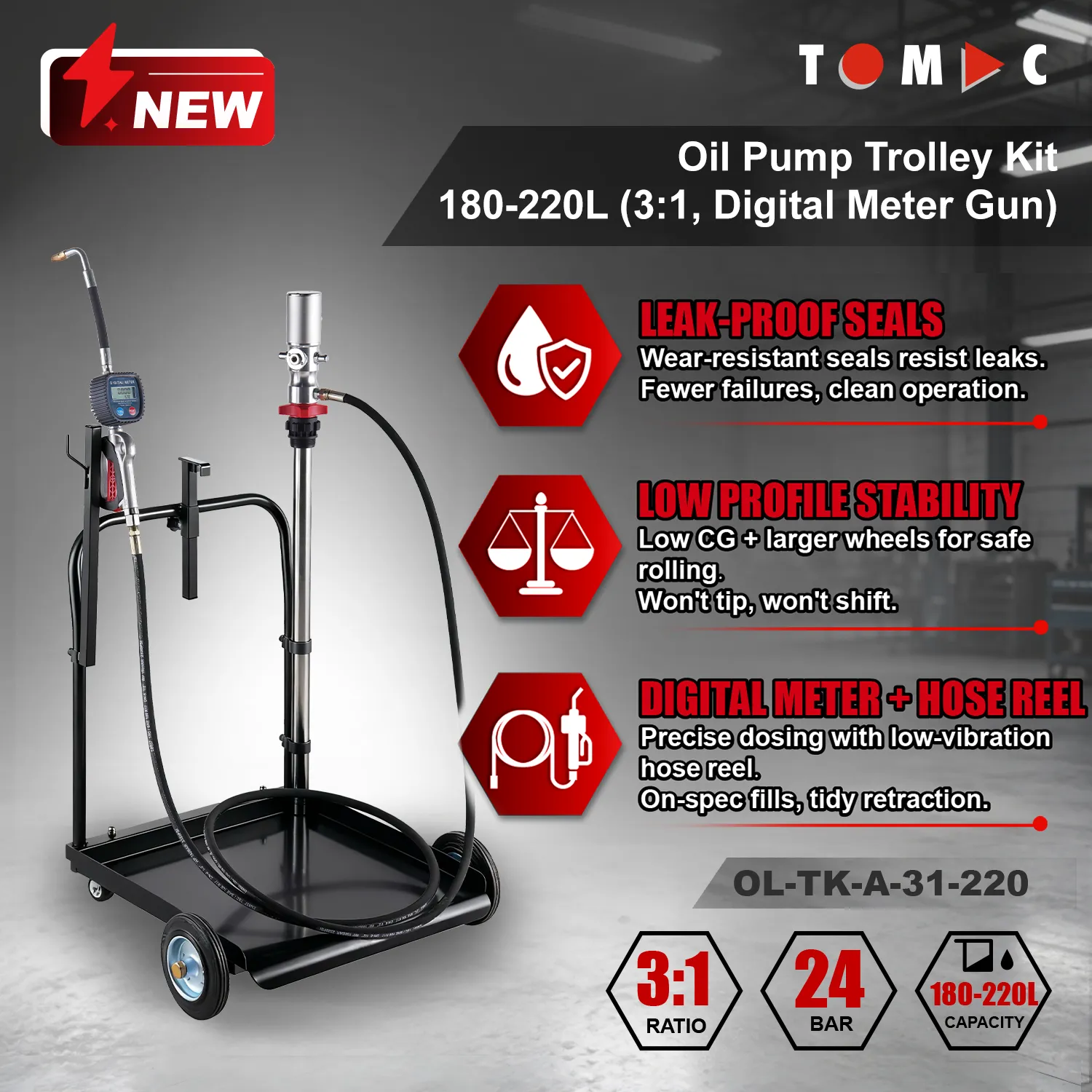
How to Implement a Digital Oil Gun Step by Step
A digital oil gun removes the guesswork from lubrication, but only when the dose, the calibration, and the training are set before the first shift. The gap between a tool that delivers repeatable volumes and one that quietly overfills sits in the setup rather than the hardware. Buyers who implement a digital oil gun on a documented procedure get the consistency the purchase was meant to buy. The guidance below covers real implementations, the failure modes of a rushed rollout, the engineering that holds, and a buyer checklist for an oil dispenser and fluid control.
Real-World Industry Case / Scenario
A Fleet Shop That Ended Overfilling
A fleet shop lubricated chassis points by feel and consistently overfilled, which dragged grease into the brake area and wasted product. Implementing a digital oil gun with a set dose per point ended the variation. The buyer learned that a digital oil gun is a control device, and that the value arrives only when the dose is written into the work instruction.
Write the dose into the work instruction, not into memory. An operator who remembers the setting delivers a different volume from one who reads it, so the dose should be printed on the job card. A digital oil gun implemented with a written dose produces the same shot on every shift.
A workshop tool programme begins with the task, because a tool bought for a job it cannot do is storage, not capability.
A written maintenance schedule keeps the same standard across shifts and crews.
A Plant That Calibrated Before Rollout
A plant introduced a digital oil gun across three shifts without calibration and received three different volumes for the same setting. Calibrating each unit against a measured volume and rechecking monthly fixed it. The buyer learned that a digital oil gun is only as accurate as its last calibration, and that a precision lubricator without a check routine drifts.
Train the reset procedure before the first shift. Operators who do not know how to clear a fault will bypass the tool and return to the manual method. A digital oil gun rollout that includes the fault procedure keeps the fluid control in place after the supervisor leaves the floor.
Tool training matters as much as the purchase, since an untrained user damages both the tool and the work.
Storage that fits the tool keeps the bay safe and the setup fast.
Risk & Failure Mode Analysis
Uncalibrated Dose and Drift
The core risk with a digital oil gun is dose drift, where the delivered volume moves away from the setting as the seals wear or the viscosity changes. A precision lubricator that reads correctly can still deliver the wrong volume. The fix is a periodic calibration against a measured volume, because a digital oil gun trusted without a check produces silent overfill or underfill.
Match the fluid to the tool at purchase, not after. A digital oil gun specified for the wrong viscosity delivers an inconsistent dose no calibration can fix. Buyers should confirm the fluid range with the supplier, because a precision lubricator used outside its range is an expensive manual gun.
A documented inventory prevents the loss that turns a well-equipped bay into a borrowing chain.
A clear escalation path tells the operator who to call when equipment fails.
Air Supply and Fluid Contamination
A second risk is an unstable air supply or contaminated fluid, both of which make the dose erratic regardless of the electronics. A digital oil gun fed from a wet or dirty line delivers inconsistent shots. The buyer should specify the air preparation and the fluid filtration, because an oil dispenser fed badly is inaccurate even when it reads accurately.
Track consumption against the work done. If the oil dispenser is delivering more fluid than the jobs require, either the dose is wrong or the tool is leaking. Buyers who compare the volume against the completed work catch both faults within a week.
Spare consumables on hand turn a worn part into a short stop rather than a lost shift.
Technical Principles & Standard Compliance
Metering, Air Supply, and Fluid Viscosity
A reliable digital oil gun meters a defined volume per shot, and that volume holds only when the metering element, the air supply, and the fluid viscosity stay constant. The metering element sets the nominal dose, the regulated air delivers the pressure that drives it, and the viscosity determines how the fluid behaves through the passage. An oil dispenser specified for a thin oil will mis-meter a thick grease, so the fluid range belongs in the selection. Air preparation matters because moisture and particulate wear the seals and block the passage, which is why the filter and the dryer are part of the installation rather than an accessory. Calibration closes the loop, since a precision lubricator verified against a measured volume proves the dose the operator believes they are delivering. Buyers should also confirm the unit is rated for the environment, because a fluid control device used in a wet or dirty bay needs the sealing to match.
Store the tool charged and clean. A digital oil gun left with a flat battery and a dirty nozzle fails on the first job of the shift, so the end-of-day routine should cover both. Buyers who store the precision lubricator ready avoid the stop that happens at the busiest moment.
A named owner for each station keeps accountability clear when a tool goes missing.
Actionable Buyer & Maintenance Guide
Rolling Out the Tool
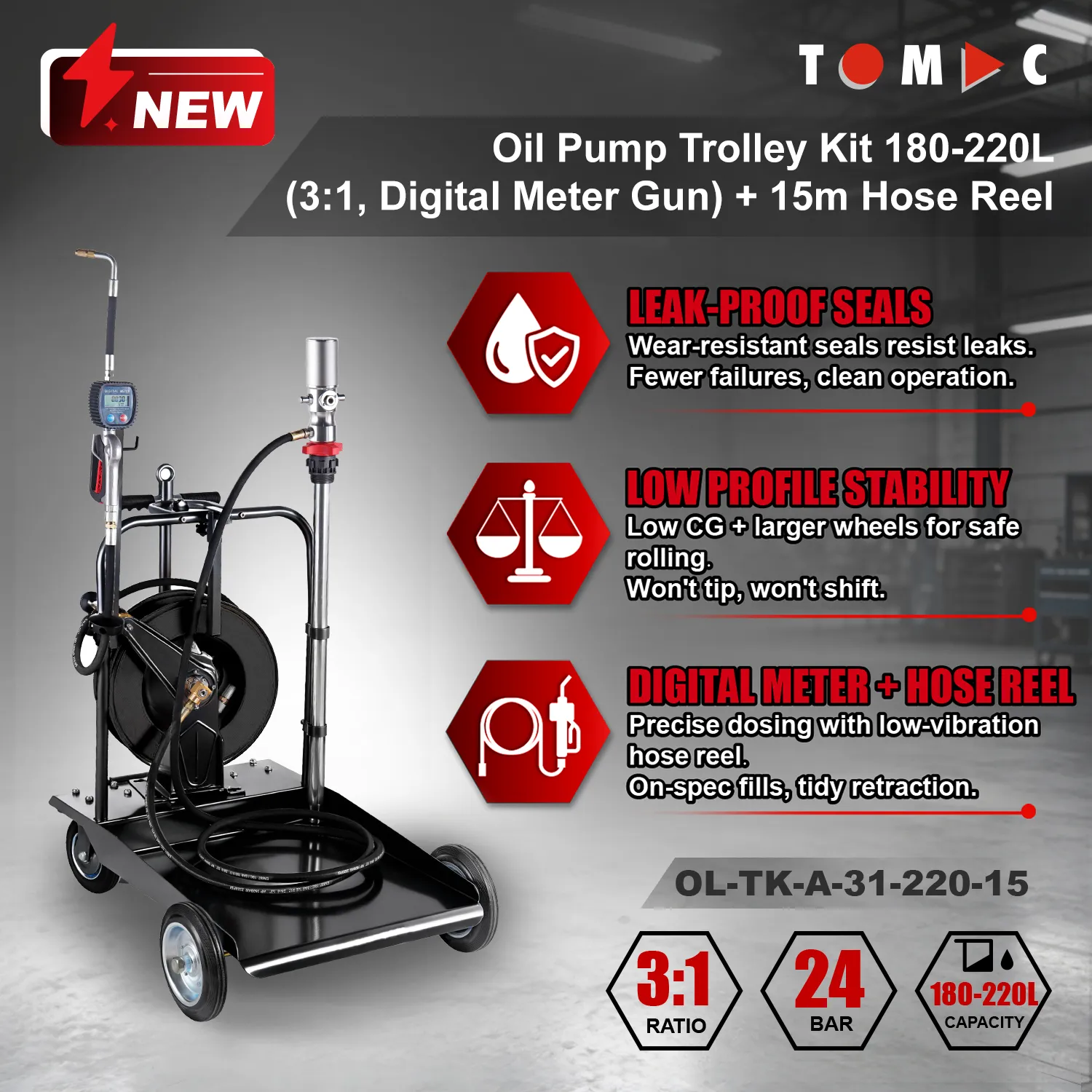
Buyers should implement a digital oil gun in stages: set the dose per point, calibrate each unit against a measured volume, write the dose into the work instruction, and schedule a recheck. Suppliers of digital oil guns such as TOMAC provide an oil dispenser plan that names the dose, the air preparation, and the calibration interval. Training should cover the reset procedure and the fault indicator. A precision lubricator rolled out on a documented procedure keeps the fluid control consistent across every shift.
Keep a spare unit for the critical station. A digital oil gun that fails on the main line stops the work, so a spare on the shelf turns a breakdown into a swap. Buyers who hold a spare for the critical station keep the fluid control running through a fault.
Regular inspection catches wear before it produces a fault or an injury.
Frequently Asked Questions
Question 1: How is a digital oil gun calibrated?
Answer: Calibration means delivering a set number of shots into a measured container and comparing the volume against the setting. The check should be repeated on the fluid actually in use, because viscosity changes the dose. Buyers should record the result, because a digital oil gun without a calibration record cannot be trusted to deliver the volume it displays.
Question 2: Does air pressure affect the dose?
Answer: Yes, air pressure drives the shot, so an unregulated or fluctuating supply changes the volume a digital oil gun delivers. The regulator and the filter should be part of the installation. Buyers who treat the air preparation as optional get an oil dispenser that is accurate on the bench and erratic in the bay.
Question 3: Can one unit handle different fluids?
Answer: A digital oil gun is specified for a viscosity range, so a unit set up for a thin oil will mis-meter a thick grease. Buyers should confirm the fluid range with the supplier before purchase. A precision lubricator used outside its range delivers an inconsistent dose, which defeats the fluid control the tool was bought for.
Question 4: How often should it be recalibrated?
Answer: The interval follows the duty, but a monthly check suits most shops and a weekly check suits heavy use. A digital oil gun that drifts silently produces overfill or underfill for weeks before anyone notices. Buyers who schedule the recheck keep the oil dispenser honest without adding measurable time to the shift.