
 EN
 AR
 NL
 FR
 DE
 IT
 NO
 PL
 PT
 RU
 ES
 SV
 IW
 GA
 MI
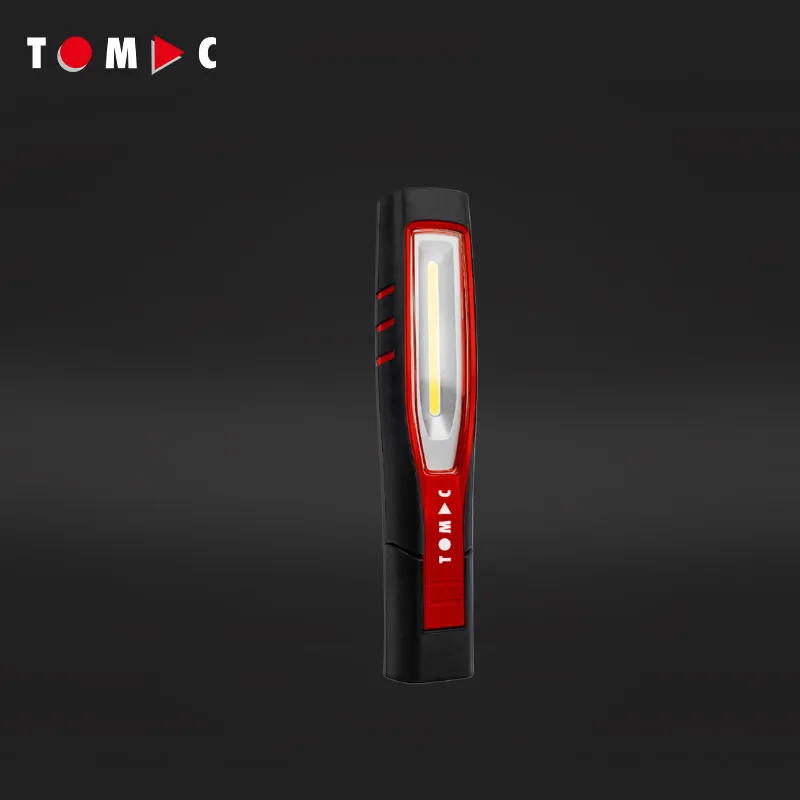
LED work lights have largely displaced halogen in the workshop, but the comparison still decides money on every bay that upgrades late. The gap between the two sits in efficiency, heat, beam control, and the duty cycle the fixture actually sees. Buyers who compare LED work lights and halogen on those four points stop paying for a technology that was superseded a decade ago. The guidance below covers real conversions, the failure modes of each, the engineering that separates them, and a buyer checklist for task lighting and shop lighting.
Real-World Industry Case / Scenario
A Garage That Halved Its Power Draw
A repair garage ran halogen flood fixtures across four bays and paid for the heat as much as the light. Replacing them with LED work lights of the same rated output cut the connected load by more than half and removed the radiant heat that made the summer bays unbearable. The buyer learned that LED work lights pay back on the electricity bill alone, and that the shop lighting specification should follow the fixture efficiency rather than the old wattage habit.
Mounting height decides the useful light. A fixture set too high spreads the beam and loses the level at the work, so the height should be calculated from the beam angle rather than guessed. LED work lights installed to a calculated height deliver the level the bay was designed around.
A documented inventory prevents the loss that turns a well-equipped bay into a borrowing chain.
A clear escalation path tells the operator who to call when equipment fails.
A Yard That Needed Beam Control
A yard used a wide halogen flood that threw half its light over the fence and left the work face dim. Switching to LED work lights with a defined beam angle and a better optic put the light where the work was. The buyer learned that beam control matters as much as output, and that LED work lights aimed correctly beat a brighter halogen fixture aimed badly.
Colour temperature changes how the bay reads. A cooler light makes detail and defects easier to see, while a warm light flatters a finished surface but hides blemishes. Buyers should choose the colour temperature against the task, because the same shop lighting fixture suits one bench and fails another.
Spare consumables on hand turn a worn part into a short stop rather than a lost shift.
Risk & Failure Mode Analysis
Halogen Heat, Fragility, and Downtime
The core risk with halogen is the heat and the fragility, since a filament lamp runs hot, fails on shock, and changes colour as it ages. A halogen fixture that is knocked off a bench is scrap, and the radiant heat makes close task lighting uncomfortable. The fix is LED work lights, which run cool, survive the drop, and hold their output across the life of the fixture.
Grouping the control saves more than the fixture. Zoning the shop lighting so an unused bay is dark is often a larger saving than upgrading the remaining fixtures. Buyers who add control to the LED work lights plan cut the running cost without touching the hardware again.
A named owner for each station keeps accountability clear when a tool goes missing.
Cheap LED Fixtures and Thermal Design
A second risk is a low-cost LED fixture with poor thermal design, where the driver cooks and the output falls away within a year. Buyers who buy LED work lights on price alone often replace them twice, which erases the saving. The fix is to check the thermal path and the rated life rather than the headline price, because a shop lighting fixture that dims is a fixture that gets replaced.
Maintenance access affects the real cost. A fixture that needs a ladder and a full strip-down to replace will be deferred, so the access route should be considered at installation. LED work lights mounted for service keep the bay lit, because a dead fixture in a hard spot stays dead for months.
Regular inspection catches wear before it produces a fault or an injury.
Technical Principles & Standard Compliance
Efficacy, Thermal Management, and Beam Angle
The engineering difference between LED work lights and halogen is efficacy, because a modern fixture delivers far more light per watt and wastes the rest as light rather than as heat. Thermal management is the limiting factor, since the junction temperature sets both the output and the life, so the fixture should show a real heat path rather than a sealed plastic shell. Beam angle decides whether the light lands on the work or on the wall, and a defined optic beats an open reflector at any wattage. LED work lights should also carry the safety and ingress marks appropriate to the bay, because a wet or dusty workshop kills an unrated fixture. Drivers and surge protection matter on a shared supply, since a voltage spike takes out an unprotected fixture overnight. Buyers should compare LED work lights on efficacy, thermal design, beam angle, and rating together, because a fixture strong on one and weak on the others fails in service.
A workshop tool programme begins with the task, because a tool bought for a job it cannot do is storage, not capability.
A written maintenance schedule keeps the same standard across shifts and crews.
Actionable Buyer & Maintenance Guide
Specifying the Upgrade
Buyers should specify LED work lights by required lux at the work face, beam angle, ingress rating, and the driver quality, then confirm the mounting and the supply with the installer. Where the bay has no fixed supply, a rechargeable work light removes the cable and the trip hazard, though the runtime should be checked against the length of the shift. Suppliers of LED work lights such as TOMAC provide a task lighting plan that names output, beam, and rating. The upgrade should be done bay by bay against the measured light level rather than by swapping watt for watt. LED work lights specified this way cut the power draw, remove the heat, and hold the output for the life of the fixture.
Tool training matters as much as the purchase, since an untrained user damages both the tool and the work.
Storage that fits the tool keeps the bay safe and the setup fast.
Frequently Asked Questions
Question 1: Are LED work lights always better than halogen?
Answer: For workshop use LED work lights are better on efficiency, heat, shock resistance, and beam control, so the comparison usually favours them. A halogen fixture can still win on very low first cost in a bay that sees light duty. Buyers should weigh the running hours, because LED work lights pay back fastest where the shop lighting runs long shifts.
Question 2: How is output compared fairly?
Answer: Output should be compared in lumens and in lux at the work face, not in watts, because a halogen fixture rated the same draws far more power for the same light. Buyers should measure the level at the task, since LED work lights with a tight beam can deliver more useful light than a brighter wide flood. The shop lighting specification should follow the measured level.
Question 3: Why do cheap LED fixtures fail early?
Answer: Cheap fixtures fail early because the driver and the thermal path are undersized, so the electronics cook and the output falls. A fixture that dims within a year costs more than the saving. Buyers should check the thermal design and the rated life rather than the price, because a task lighting fixture that fades gets replaced.
Question 4: What rating does a workshop fixture need?
Answer: The rating follows the environment, with a higher ingress and impact class for a wet, dusty, or busy bay. LED work lights should also survive the vibration and the knocks a workshop delivers. Buyers should confirm the marks with the supplier, because an unrated shop lighting fixture fails long before its rated life is up.