
 EN
 AR
 NL
 FR
 DE
 IT
 NO
 PL
 PT
 RU
 ES
 SV
 IW
 GA
 MI
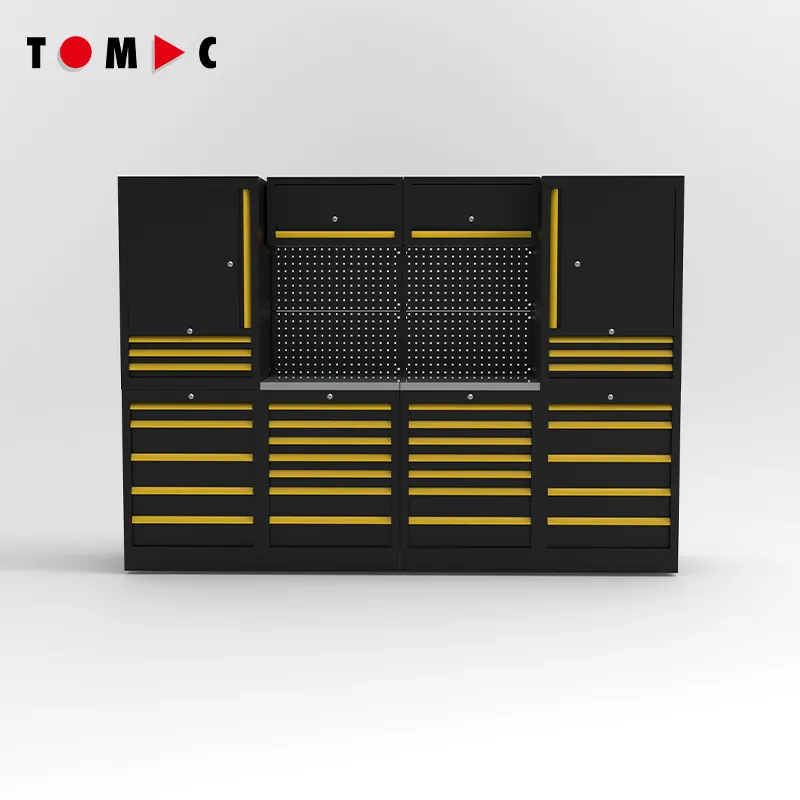
Are Garage Storage Cabinets with Doors Right for You
Garage storage cabinets with doors solve a different problem from open shelving, because they close the bay off from dust, spills, and prying hands. The question is not whether they are good but whether the bay actually needs what they add. Buyers who match the cabinet to the contents and the traffic avoid paying for doors that stay open and security that is never used. The guidance below covers real bays, the failure modes of the wrong choice, the engineering that holds, and a buyer checklist for a garage cabinet and a lockable cabinet.
Real-World Industry Case / Scenario
A Home Garage That Kept Its Clean Tools Clean
A home garage stored finishing tools on open shelving and found them dusty and greasy within a month. Moving them into garage storage cabinets with doors kept them serviceable and made the bay look like a workspace. The owner learned that doors are a cleanliness decision first, and that a garage cabinet earns its keep the moment the contents are worth protecting.
A garage storage cabinets with doors that matches the site and the user group pays for itself through repeat use and fewer repairs.
A workshop tool programme begins with the task, because a tool bought for a job it cannot do is storage, not capability.
Regular inspection catches wear before it produces a fault or an injury.
A Shared Bay That Needed a Lock
A shared workshop bay lost consumables from an open shelf within weeks, and the argument that followed cost more than the shelf. Installing lockable garage storage cabinets with doors ended the loss and the dispute. The buyer learned that a storage cabinet with a lock closes a loss path that open shelving cannot, and that the lock is the feature that paid for the unit.
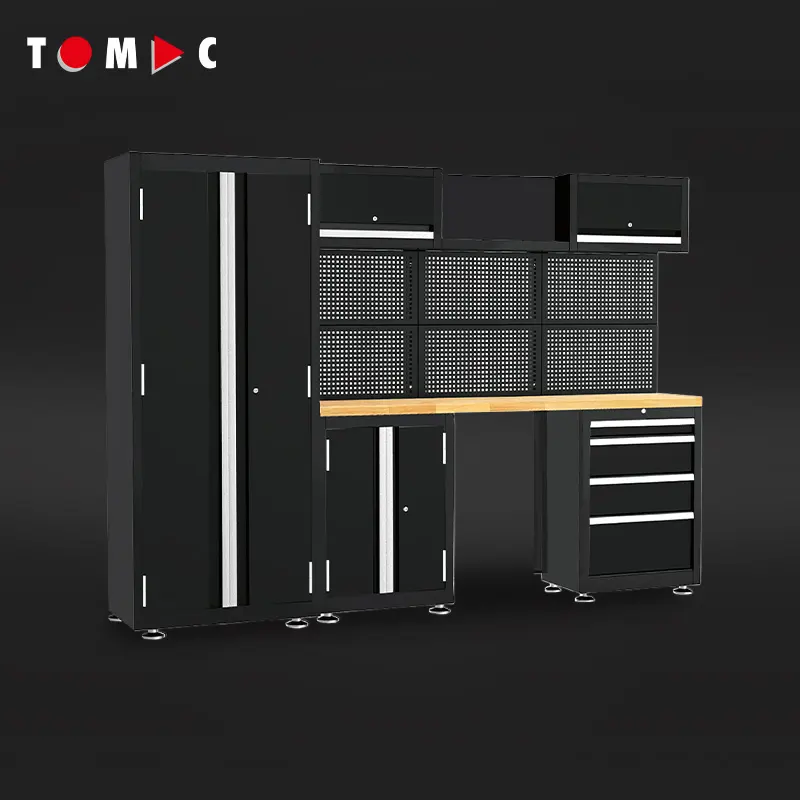
Check the door swing against the parked car. A garage cabinet whose doors open into the space where a vehicle is parked is a cabinet that stays shut. Buyers should measure the clearance with the vehicle in place, because the real aisle is the one left after parking.
Tool training matters as much as the purchase, since an untrained user damages both the tool and the work.
A written maintenance schedule keeps the same standard across shifts and crews.
Risk & Failure Mode Analysis
Doors That Stay Open and Block the Bay
The common failure is a cabinet whose doors never close, either because they swing into the aisle or because the contents are accessed too often to bother. A garage cabinet with the wrong door action becomes an obstruction rather than storage. The fix is to match the door type to the traffic, because garage storage cabinets with doors only work when the doors actually shut.
Match the finish to the environment. A cabinet in a damp or unheated garage needs a finish that resists moisture, because a domestic-grade unit rusts at the base within a year. The lockable cabinet specification should follow the bay, not the showroom.
The garage storage cabinets with doors remains a strong choice where foot traffic is high and supervision is active.
Storage that fits the tool keeps the bay safe and the setup fast.
Under-Rated Shelves and Poor Anchoring
A second risk is shelves loaded beyond their rating and a tall unit that is never anchored, which together produce a cabinet that bows or tips. A storage cabinet loaded with paint and solvents is heavier than it looks. The buyer should check the shelf rating and anchor the unit, because a lockable cabinet that tips under load is a hazard rather than a feature.
Operators who log each garage storage cabinets with doors after every event catch small faults before they become safety issues.
A documented inventory prevents the loss that turns a well-equipped bay into a borrowing chain.
Technical Principles & Standard Compliance
Door Type, Shelf Rating, and Ventilation
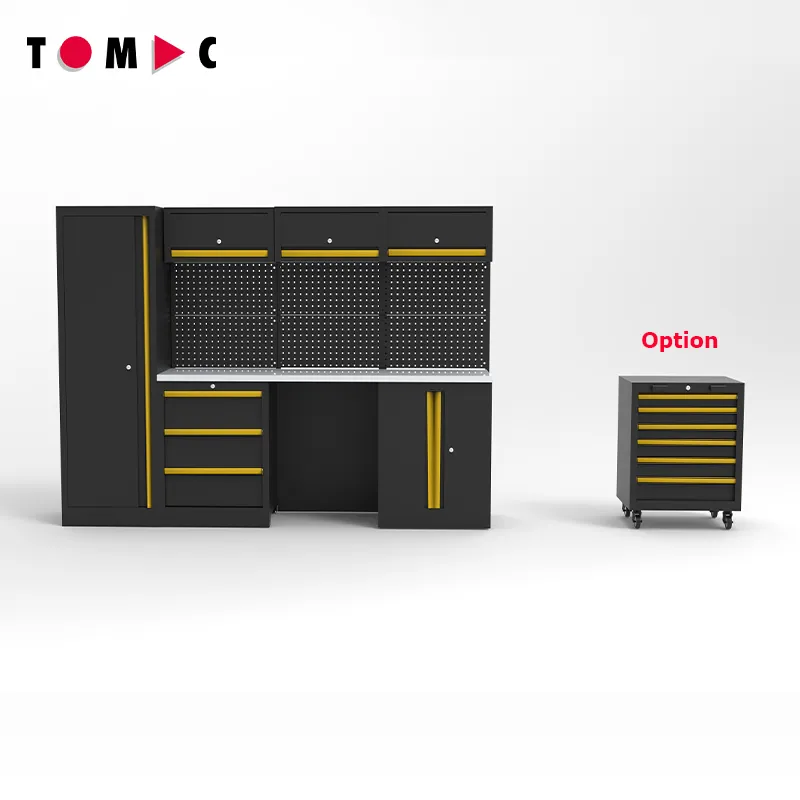
A useful garage cabinet is specified by door type, shelf rating, and ventilation rather than by appearance. Door type follows the aisle, since a bi-fold or sliding door works where a swing door cannot open, and a lockable cabinet needs a latch rated for the use. The shelf rating should match the contents, because paint, solvents, and aggregate are heavier than the shelf looks. Ventilation matters where solvents or fuel are stored, because a sealed storage cabinet can accumulate vapour and a vented one cannot. The unit should also be anchored where it is tall, since a garage cabinet that is top-heavy tips when a door and a loaded shelf pull together. Buyers should confirm the construction and the rating with the supplier, because a garage cabinet built for light domestic load fails quickly under workshop contents.
Anchor tall units to the wall. A storage cabinet that is tall and loaded becomes unstable when a door is opened, so the anchor is a safety item rather than an option. Buyers who skip the anchoring create a hazard that only appears on the day it matters.
Spare consumables on hand turn a worn part into a short stop rather than a lost shift.
Actionable Buyer & Maintenance Guide
Deciding Whether Doors Suit the Bay
Buyers should list what the cabinet will hold, measure the aisle, and decide the door action before choosing between garage storage cabinets with doors and open shelving. Suppliers of garage storage cabinets such as TOMAC provide a lockable cabinet plan that names shelf rating, door type, and anchoring. The unit should be trialled loaded and the doors checked against the real traffic. A garage cabinet specified this way protects the contents, closes the loss path, and stays out of the way.
Plan the internal layout before purchase. A garage cabinet with fixed shelves wastes the space that adjustable ones would use, because the contents rarely come in uniform heights. Buyers who specify adjustable shelving fit more into the same footprint.
A named owner for each station keeps accountability clear when a tool goes missing.
Frequently Asked Questions
Question 1: When are doors worth the cost?
Answer: Doors are worth it when the contents need dust protection, security, or separation from the rest of the bay. A garage cabinet holding finishing tools or consumables earns the cost immediately. Buyers with bulk, rarely-touched items may find open shelving cheaper, because garage storage cabinets with doors only pay back when the doors actually close.
Question 2: Which door type suits a narrow bay?
Answer: A narrow bay needs a door that does not swing into the aisle, so a sliding or bi-fold door suits where a swing door cannot open. The door action should be checked against the real traffic rather than the drawing. A storage cabinet whose doors block the walkway becomes an obstruction rather than storage.
Question 3: How much weight will a shelf hold?
Answer: The shelf rating follows the cabinet, and workshop contents are heavier than they look because paint, solvents, and aggregate add up fast. Buyers should match the rating against the heaviest shelf. A lockable cabinet loaded beyond its rating bows and eventually fails, which is why the garage cabinet rating belongs in the specification.
Question 4: Can solvents be stored in a cabinet?
Answer: Solvents need a cabinet rated for the contents and, where required, ventilation, because a sealed unit can accumulate vapour. The quantity and the type should be checked against local rules before the cabinet is chosen. A storage cabinet specified for the contents keeps the bay compliant, and a lockable cabinet with the right rating closes the access path as well.