
 EN
 AR
 NL
 FR
 DE
 IT
 NO
 PL
 PT
 RU
 ES
 SV
 IW
 GA
 MI
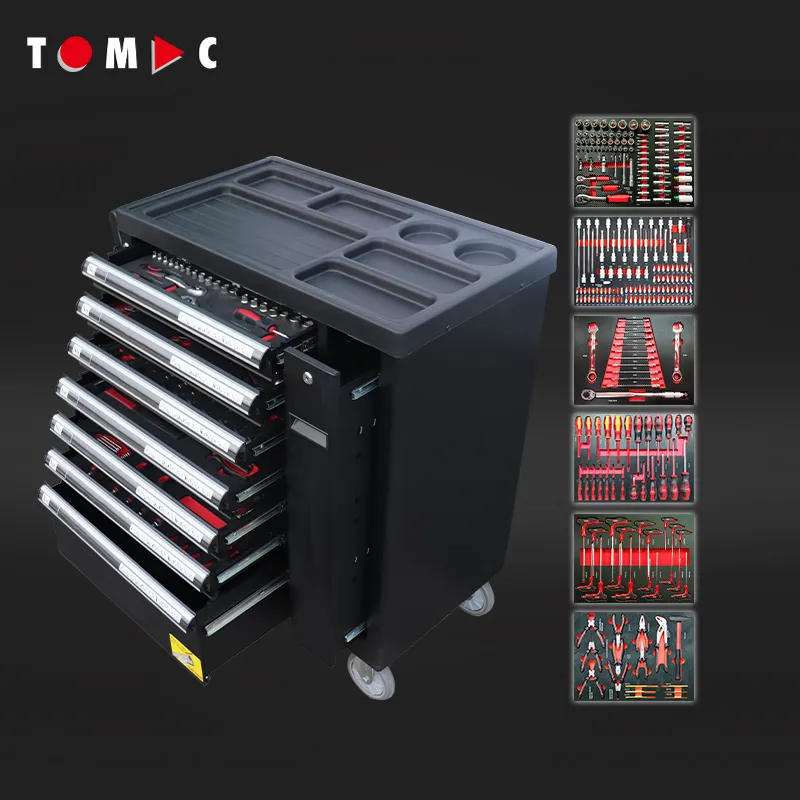
A mechanic tool box is bought once and lived with for years, so the choice sets the daily experience of every shift that opens it. The gap between a box that serves and one that sags, jams, or never quite fits sits in the drawer count, the load rating, and the mobility. Buyers who choose a mechanic tool box against the actual tool list avoid the cabinet that looks right in a catalogue and fails on the floor. The guidance below covers real selections, the failure modes of the wrong spec, the engineering that holds, and a buyer checklist for a tool chest and tool organizer.
Real-World Industry Case / Scenario
A Tech Who Outgrew a Small Box
A mobile technician started with a compact mechanic tool box and added tools until the drawers would not close and the castors wore unevenly. Moving to a larger tool chest with a rated drawer load solved it. The buyer learned that a mechanic tool box should be sized against the full tool list plus headroom, because a box bought for today is obsolete within a season.
Weigh the loaded box before ordering castors. A mechanic tool box that is light empty and heavy full needs castors sized for the loaded weight, not the empty one. Buyers who order castors on the empty weight get a unit that is hard to move on the day it matters.
A documented inventory prevents the loss that turns a well-equipped bay into a borrowing chain.
A Shop That Chose on Drawer Quality
A shop compared two mechanic tool box units on price and chose the cheaper, then replaced both within three years because the drawer slides failed under load. The more expensive roller cabinet with a rated slide was still in service. The buyer learned that the slide is the part that fails, and that a mechanic tool box is only as good as its drawer hardware.
Check the drawer travel against the wall. A deep tool chest needs room for the drawer to open fully, and a bay with a wall behind the box will not provide it. Buyers should measure the aisle before ordering, because a mechanic tool box that cannot open is a box that cannot be used.
Spare consumables on hand turn a worn part into a short stop rather than a lost shift.
Risk & Failure Mode Analysis
Drawer Slides and Load Rating
The dominant failure in a mechanic tool box is the drawer slide, because a slide loaded beyond its rating sags, binds, and eventually drops the drawer. A box that looks identical can carry half the load of its competitor. The fix is to check the rated load per drawer against the heaviest set of tools it will hold, because a tool chest is judged by its worst-loaded drawer rather than its average.
Specify the liner with the box. A bare drawer lets tools slide and rattle, which wears the finish and makes the contents hard to find. A tool organizer with a fitted liner keeps the tools in place and the drawer quiet, which is what makes the box pleasant to use daily.
A named owner for each station keeps accountability clear when a tool goes missing.
Mobility, Stability, and Security
A second risk is the mobility and stability trade-off, since a tall mechanic tool box on small castors tips when a drawer is opened, and a light one walks across the bay under load. Security matters too, because a box that cannot be locked leaves the tools exposed. The buyer should weigh the castor size, the weight, and the lock together, because a tool organizer that tips or cannot be secured fails regardless of its capacity.
Plan the delivery route. A large mechanic tool box will not fit through every door or up every stair, so the route should be checked before the order is placed. Buyers who confirm the route avoid the situation where the cabinet is delivered and cannot reach the bay.
Technical Principles & Standard Compliance
Drawer Hardware, Load Rating, and Mobility
A dependable mechanic tool box rests on the drawer hardware, the load rating, and the mobility package. Ball-bearing slides carry more load and open smoothly under weight, while cheaper slides bind once the drawer is full, so the slide type is the single most important specification on the box. The load rating should be stated per drawer and matched against the heaviest tool set, because a tool chest is only as strong as its most heavily loaded drawer. Mobility depends on the castor diameter and the overall weight, since a tall unit on small castors is unstable the moment a drawer opens. The lock should be rated for the environment, because a mechanic tool box left in a shared bay needs a real barrier rather than a deterrent. Buyers should also check the skin thickness and the weld quality, since a thin-shell tool organizer dents and corrodes long before the hardware wears out. Specifying these together produces a box that survives the shift rather than one that is replaced twice.
A workshop tool programme begins with the task, because a tool bought for a job it cannot do is storage, not capability.
Actionable Buyer & Maintenance Guide
Matching the Box to the Tool List
Buyers should list the tools the box will carry, size the drawers against the heaviest sets, then confirm the slide type, the load rating, and the castor size with the supplier. Suppliers of mechanic tool boxes such as TOMAC provide a tool chest plan that names drawer count, load rating, and mobility. The box should be trialled loaded before the order is confirmed. A mechanic tool box sized and specified this way carries the load, rolls safely, and lasts the decade it is bought for.
Tool training matters as much as the purchase, since an untrained user damages both the tool and the work.
Frequently Asked Questions
Question 1: What size mechanic tool box is needed?
Answer: Size follows the tool list plus headroom, because a box bought for exactly today is full within a season. Buyers should count the heaviest drawer set and size against that rather than the total number of tools. A mechanic tool box with one undersized drawer fails sooner than a slightly larger unit with even capacity.
Question 2: Which part fails first?
Answer: The drawer slide fails first, because it carries the load every time the drawer opens and it is the part most often underspecified. A tool chest with cheap slides sags and binds within a couple of years of daily use. Buyers should check the slide type and the rated load, because a mechanic tool box is judged by its drawer hardware.
Question 3: How important is the load rating?
Answer: The load rating is the most important number on the box, since a drawer loaded beyond it fails regardless of the brand. Buyers should match the rating against the heaviest tool set each drawer will hold. A mechanic tool box rated generously costs more and lasts years longer than one rated to the edge.
Question 4: What about mobility and security?
Answer: Mobility and security should be weighed together, because a tall unit on small castors tips when a drawer opens and a light one walks under load. The lock should suit the environment, since a shared bay needs a real barrier. Buyers should trial the roller cabinet loaded before ordering, because a tool organizer that tips cannot be used safely.