
 EN
EN
 AR
AR
 NL
NL
 FR
FR
 DE
DE
 IT
IT
 NO
NO
 PL
PL
 PT
PT
 RU
RU
 ES
ES
 SV
SV
 IW
IW
 GA
GA
 MI
MI
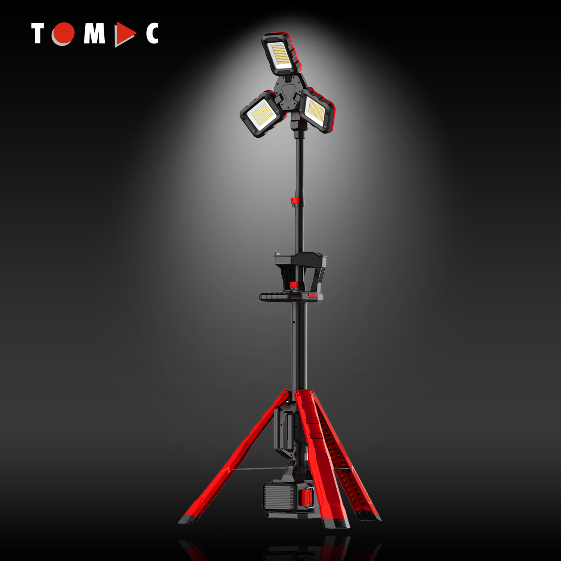
Meet OSHA Lighting Standards and Task-Specific Illumination Requirements
Foot-Candles, Lux, and Lumens: Translating Metrics into Real-World Safety Compliance
The Occupational Safety and Health Administration sets specific lighting standards measured in foot candles (fc) or lux units where 1 fc equals roughly 10.76 lux. These requirements exist mainly to cut down on workplace injuries from poor visibility. For basic movement around warehouses, workers need at least 5 fc of light, but when it comes to those narrow aisles where materials get moved back and forth all day long, the standard jumps up to 10 fc. The actual number of lights required depends on lumens, which basically tells us how much light a bulb puts out overall. Take for instance a typical warehouse situation: installing a single 10,000 lumen LED light should be enough to light up about 200 square feet of space where electrical work happens. According to industry tests, this kind of proper lighting cuts down dangerous shadows by almost half compared to what we see with cheaper, lower quality lighting solutions.
OSHA Minimum Illumination Levels by Zone: From General Areas to High-Risk Electrical or Confined Spaces
Lighting requirements escalate with risk complexity:
| Workspace Type | Minimum Foot-Candles | Critical Safety Rationale |
|---|---|---|
| General corridors | 5 fc | Prevents trips/falls in low-traffic zones |
| Mechanical repair bays | 20 fc | Ensures visibility of moving machinery parts |
| Confined spaces | 30 fc | Eliminates shadows in oxygen-limited areas |
In high-voltage environments, 50+ fc prevents misidentification of live components. Operators must calibrate work lights quarterly, as a 2 fc drop below standards correlates with 18% higher incident rates in industrial settings.
Select LED Work Lights for Optimal Safety, Efficiency, and Visual Performance
Why LED Work Lights Reduce Thermal Hazards and Energy Load in Sensitive or Enclosed Environments
Work lights using LED technology cut down on heat problems much better than old fashioned lighting options. Traditional halogen bulbs waste most of their energy as heat, sometimes converting upwards of 90% into just that. LEDs run much cooler, almost at room temperature levels, which means fewer chances of burns or fires when used in tight spots such as around electrical boxes or where fuels are stored. Energy savings matter too. A good quality 100 watt LED light gives roughly the same brightness as what would take 500 watts worth of halogen bulbs, yet uses about four fifths less electricity overall. This makes all the difference for places relying on generators, helping avoid overloaded circuits that can lead to equipment breakdowns and safety issues on job sites. Plus, since these lights don't produce so much heat, parts inside sealed housing last longer, keeping things lit properly even if there's no proper airflow system in place.
5000K to 6500K Color Temperature and CRI >90: Critical for Precision Tasks and Fatigue-Free Operation
For jobs where safety matters most, cool white light between 5000K and 6500K with a Color Rendering Index above 90 isn't just preferred—it's essential. This kind of light acts like natural daylight, making those tiny issues in welds, differentiating wire colors, or spotting material problems much easier compared to warmer lighting options. Research indicates that using cool white LEDs can cut down on mistakes by as much as 45% when working on detailed assemblies, whereas traditional 3000K lighting only manages around half that improvement. When workers need to distinguish between safety markings or detect potential chemical spills, having accurate color representation becomes absolutely critical. And let's not forget about the benefits of flicker-free 6500K lighting during long work hours. Studies suggest this type of illumination reduces eye strain by approximately 32%, which means fewer accidents caused by tired eyes and distracted attention over time.
Assess Light Distribution and Output Metrics That Directly Impact Hazard Visibility
Lumens vs. Candela vs. Beam Uniformity: Matching Your Work Light to the Task — Not Just the Space
Lumens basically tell us how much light is coming out overall, which matters when we need good visibility across whole areas. Candela works differently though it's all about how intense the light shines in one direction specifically important for pointing out dangers such as sharp corners of machines or spots where someone might trip from far away. When light spreads evenly across surfaces without creating harsh glares or leaving patches in shadow, workers can actually see what they're doing safely. Safety regulations point this out too look at warehouses needing around 500 lumens for those big open spaces between shelves, but checking welds on pipes requires something way stronger maybe upwards of 10 thousand candela concentrated right where needed. Studies show workplaces with uneven lighting face nearly 28% more accidents because people simply miss things hidden in darkness or get distracted by blinding reflections off metal surfaces. So when picking industrial lighting equipment, match the candela strength to how far away inspections happen, make sure enough lumens reach every corner of the job site, and always check if there are any unexpected dark spots left behind by poor beam distribution.
Ensure Ruggedness and Environmental Protection for Uninterrupted, Safe Work Light Use
IP66/IP68, IK10, and Chemical Resistance: Validating Durability in Construction, Maintenance, and Industrial Settings
When work lights need to function in tough conditions, they have to stand up to all sorts of environmental challenges just to meet basic safety standards. Look for lights with an IP66 or IP68 rating because these ratings mean they won't let dust in and can handle strong water jets or even being submerged. This matters a lot on construction sites or anywhere moisture is a constant problem. The housing should also be tough enough to take hits. IK10 rated housings can actually survive impacts of around 20 joules, which basically means they'd hold up if something heavy like a 5kg object fell on them from about 40cm away. That kind of durability keeps things running smoothly in areas where people are constantly moving around. Don't forget about chemicals either. Industrial maintenance often involves solvents, oils and acids that eat away at regular materials over time, potentially exposing wiring inside. Studies suggest that when companies focus on getting proper certifications for their lighting equipment, accident rates drop by roughly 37% in dangerous workplaces. Good lighting just makes sense when workers need clear visibility while doing important jobs.
Choose Hands-Free Mounting Solutions That Eliminate Trip, Drop, and Distraction Risks
Magnetic Bases, Articulating Arms, and Head-Mounted Work Lights: Safety Trade-Offs and Best Applications
Hands-free illumination is non-negotiable for maintaining situational awareness in dynamic work environments. Three mounting solutions dominate industrial applications:
- Magnetic bases provide instant repositioning on ferrous surfaces but risk dislodging near vibrations or heavy machinery.
- Articulating arms offer precise directional control for repetitive tasks, though bulkier designs limit mobility in confined spaces.
- Head-mounted work lights deliver unmatched mobility for inspectors and technicians, but prolonged use may cause neck strain during static tasks.
Prioritizing the lowest distraction risk requires matching the mounting system to workspace constraints:
| Feature | Hazard Mitigation | Ideal Application |
|---|---|---|
| Continuous attachment | Eliminates drop/trip risks | Elevated or wet work zones |
| Instant adjustability | Prevents task interruption | Multi-position repairs |
| Weight distribution | Reduces ergonomic injury | Long-duration inspections |
Maintenance teams working on heavy equipment have noticed around 70-75% fewer mishaps when they switch from regular handheld lights to those magnetic mounts that stick right onto metal surfaces. For electricians doing work above their heads, the newer headlamps with that gravity-defying balance are game changers compared to old style arm bands that always seem to slip down during critical moments. Safety first folks know to check those load specs and look for built-in failsafes before buying any lighting system. The last thing anyone wants is for a light to come loose mid-job after some unexpected bump or vibration throws everything off track.
Frequently Asked Questions
What are OSHA lighting standards?
OSHA sets specific lighting standards measured in foot candles or lux to reduce workplace injuries due to poor visibility. The standards vary based on the environment and risk level.
Why are LEDs preferred for industrial lighting?
LEDs reduce thermal hazards and energy load, providing cool white light that helps in preventing burns and reducing electricity consumption compared to traditional lighting options.
How do mounting solutions impact work safety?
Hands-free mounting solutions, such as magnetic bases and head-mounted lights, eliminate risks associated with trips, drops, and distractions, ensuring safety and efficiency in dynamic work environments.
Table of Contents
- Meet OSHA Lighting Standards and Task-Specific Illumination Requirements
- Select LED Work Lights for Optimal Safety, Efficiency, and Visual Performance
- Assess Light Distribution and Output Metrics That Directly Impact Hazard Visibility
- Ensure Ruggedness and Environmental Protection for Uninterrupted, Safe Work Light Use
- Choose Hands-Free Mounting Solutions That Eliminate Trip, Drop, and Distraction Risks
- Frequently Asked Questions