
 EN
EN
 AR
AR
 NL
NL
 FR
FR
 DE
DE
 IT
IT
 NO
NO
 PL
PL
 PT
PT
 RU
RU
 ES
ES
 SV
SV
 IW
IW
 GA
GA
 MI
MI
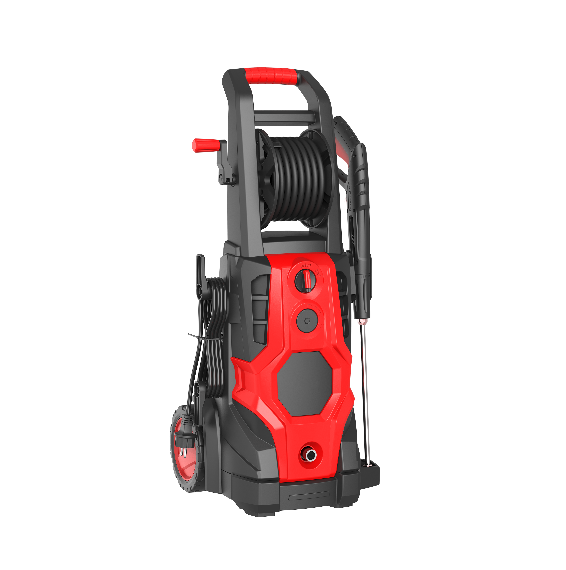
Optimizing High Pressure Cleaner Performance with Precision Nozzle and PSI Control
Matching nozzle orifice size and PSI to substrate type and contaminant severity
Getting the right nozzle size and pressure setting is key to protecting surfaces while still getting rid of all the dirt and grime. For delicate stuff like painted equipment, bigger nozzles around 40 degrees work best with pressures between 500 to 1500 PSI so we don't scratch or etch the surface. But when dealing with really greasy, tough surfaces, switch to those tiny nozzles (0 to 15 degrees) and crank up the pressure past 3000 PSI. According to industry reports, about one third of surface damage during cleaning actually comes from using the wrong settings. That's why paying attention to these details matters so much. Also worth noting: something as simple as dust requires roughly 25% less pressure than that stubborn polymerized grime everyone hates. Taking time to get these settings right not only makes equipment last longer but can cut down on water usage by nearly 20% compared to just blasting everything with high pressure.
Spray angle, standoff distance, and dwell time: Preventing surface erosion while maximizing soil removal
Three operational variables dictate cleaning efficacy versus erosion risk:
- Spray angle: Wider patterns (40–65°) distribute force for delicate surfaces; narrow jets (0–25°) concentrate pressure on resilient materials
- Standoff distance: Maintain 6–12 inches from targets—closer distances increase erosion likelihood by 70% on porous substrates
- Dwell time: Limit exposure to 2–7 seconds per square foot; prolonged spraying beyond 10 seconds raises corrosion rates by 40%
Adjusting these parameters during operation allows operators to remove stubborn deposits like carbon scale without compromising protective coatings. Field tests show proper triangulation of these factors improves soil removal efficiency by 55% while eliminating surface pitting.
Safety-Critical Protocols When Operating a High Pressure Cleaner in Industrial Settings
Integrating lockout/tagout (LOTO) with pre-cleaning hazard assessment for equipment safety
Anyone working with high pressure cleaners needs to check for dangers first before turning them on. Look around the area for things like exposed wires, moving parts that might cause injury, and chemicals that could splash back. Lockout tagout procedures should be put in place so no one accidentally starts up the equipment while someone is cleaning nearby. The standard process involves double checking that power sources are properly disconnected. Workers should write down everything they find during their safety scan on a checklist. This includes watching out for pressurized fluids getting injected into skin, shaky scaffolding or platforms, and wet floors that create slipping risks. When both these safety measures are followed properly, incidents drop significantly because machines stay off when people need access to clean around them.
Beyond basics: Full PPE requirements for high pressure cleaner use above 3,000 PSI
When operating above 3,000 PSI, standard personal protective equipment (PPE) becomes insufficient. Workers require:
- ANSI Z87.1-rated face shields paired with safety goggles to prevent ocular injuries from ricocheting debris
- Puncture-resistant aprons and boots (ASTM F2413-compliant) capable of resisting 150+ PSI fluid injection
- Waterproof insulated gloves with textured grips to maintain control during prolonged operation
- Hearing protection exceeding 25 dB noise reduction for pumps generating 85+ dBA
Regularly inspect PPE for seal integrity, as compromised gear increases injury risk by 70% according to industrial safety audits. Combine PPE with administrative controls like restricted work zones to implement a hierarchy of safety defenses.
Chemical Compatibility and Smart Detergent Use with Your High Pressure Cleaner
Selecting pH-neutral, seal-safe detergents to protect gaskets, coatings, and sensitive components
Go for pH neutral cleaning products designed to work safely on rubber seals, painted areas, and electrical components. Strong acid or alkali based cleaners really speed up deterioration problems. The numbers back this up too about 30 percent of all seal issues in factory machines come down to wrong chemicals mixing together according to Maintenance Journal last year. Before grabbing any cleaner off the shelf, check what the equipment maker recommends first. These seal friendly formulas keep parts working properly even as they tackle oil buildup and dirt accumulation. Equipment lasts longer when cleaned right, which means fewer replacements needed over time especially important stuff like O rings and those special coatings on spray guns that tend to break down quickly otherwise.
Extending High Pressure Cleaner Lifespan Through Post-Use Maintenance Discipline
Immediate post-operation draining to prevent internal corrosion and biofilm buildup
As soon as the system shuts down, it's important to get rid of any remaining water in the pumps, hoses, and nozzles. Leftover water sitting around speeds up rusting in those cast iron parts and creates problems with biofilms forming inside the detergent lines, which often leads to valves giving out prematurely. According to research published last year in Fluid Systems Journal, industrial pressure washers start corroding about 80 percent quicker if water stays trapped inside overnight. To avoid these issues, here's what operators should do following shutdown:
- Release system pressure and disconnect hoses
- Open all low-point drains and purge residual water
- Blow out remaining moisture using compressed air if available
Frequently Asked Questions
How do I choose the right nozzle size for different cleaning tasks?
Choose larger nozzles with around 40 degrees for delicate surfaces like painted equipment, and smaller nozzles (0 to 15 degrees) for tough, greasy surfaces. Adjust the PSI accordingly, from 500 to 1500 PSI for delicate surfaces, and over 3000 PSI for tough surfaces.
Why are safety checks and PPE important when using high pressure cleaners?
Safety checks are crucial to identify hazards such as exposed wires or chemicals that could cause injuries. Using adequate PPE like face shields, aprons, boots, gloves, and hearing protection minimizes injury risks during operation, especially at pressures over 3,000 PSI.
What should I do immediately after using a high pressure cleaner?
Immediately after use, release system pressure, disconnect hoses, open all low-point drains, and purge residual water. Use compressed air to blow out remaining moisture, preventing internal corrosion and biofilm buildup.
Table of Contents
- Optimizing High Pressure Cleaner Performance with Precision Nozzle and PSI Control
- Safety-Critical Protocols When Operating a High Pressure Cleaner in Industrial Settings
- Chemical Compatibility and Smart Detergent Use with Your High Pressure Cleaner
- Extending High Pressure Cleaner Lifespan Through Post-Use Maintenance Discipline
- Frequently Asked Questions