
 EN
EN
 AR
AR
 NL
NL
 FR
FR
 DE
DE
 IT
IT
 NO
NO
 PL
PL
 PT
PT
 RU
RU
 ES
ES
 SV
SV
 IW
IW
 GA
GA
 MI
MI
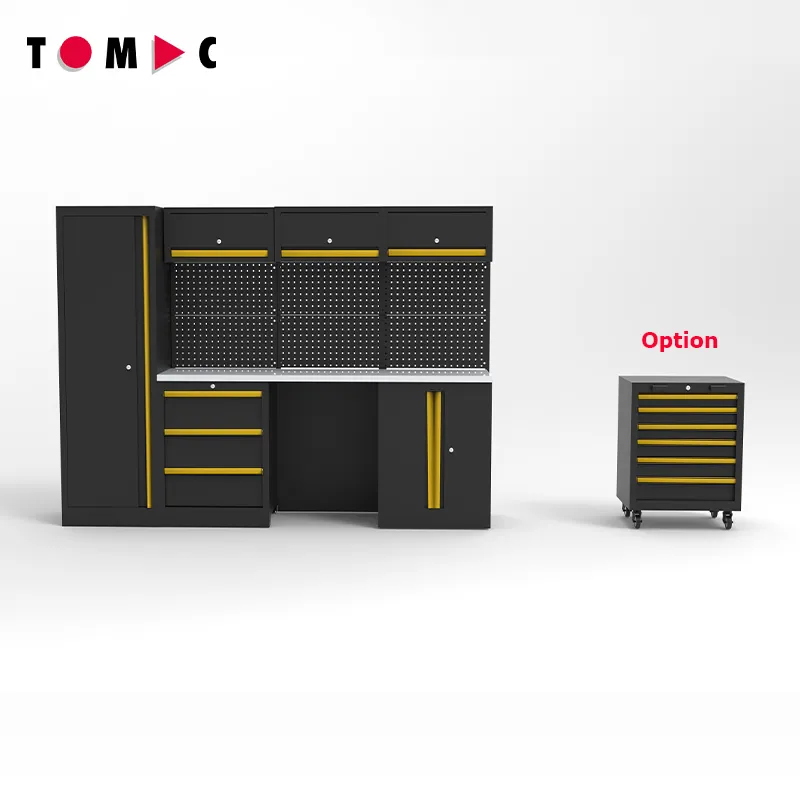
What Garage Cabinets Storage Really Returns
How garage cabinets storage Returned Lost Time
A part-time mechanic wasted twenty minutes per session finding bits in stacked boxes until a garage cabinets storage system with labeled drawers replaced the pile. Weekend projects started faster and the floor cleared for actual work. The spend looked large on paper but returned in reclaimed hours and fewer lost fasteners within a year. Storage that sorts by use, not by container, is what changes a garage from a dump to a shop worth entering.
The Hidden Cost of Poor Storage
Loose tools rust in damp corners, chemicals tip and stain, and cords tangle into a hazard. A garage cabinets storage plan that ignores ventilation and load spreads risk across the room. Lost items get rebought, doubling spend silently. Poor layout also wastes the most valuable square meter: the one in front of the bench. The real cost of bad storage is the work it prevents, not the shelf it costs.
How a Storage System Pays Back
Layout, Load, and Airflow
Wall-hung cabinets free the floor but need stud-mounted anchors rated for the load, not hollow drywall screws. Base units take heavy power tools but need leveling feet on uneven slabs. Garage cabinets storage that separates flammable cans from ignition sources follows basic fire sense. Airflow behind units stops condensation that rusts both cabinet and contents, a detail often skipped in showroom layouts that look tidy but fail. A clear two-foot aisle in front of the bench keeps the most-used tools within a step instead of a stretch. Grouping by task rather than by size means the drill and its bits share a drawer, which cuts the hunting that eats a Saturday morning.
Modular Versus Fixed Builds
Modular systems let the layout grow with the hobby or business, so money goes to function not replacement. Fixed built-ins lock the plan early and cost more to change. Garage cabinets storage built on a compatible rail standard accepts add-ons later, protecting the original spend. The flexible option keeps the investment useful through two moves and three new tool purchases without a tear-out. A resale-minded buyer keeps the original rails and brackets so the next owner can reconfigure too. That continuity is what turns a storage purchase into an asset rather than a fixture stuck to one wall.
Choosing Storage That Lasts
References Buyers Can Trust
Powder-coated steel and documented load ratings matter more than showroom gloss. ANSI/BIFMA guides cover storage furniture durability, and ISO 9001 at the plant signals consistent welding and finish. A garage cabinets storage supplier that publishes weight limits and material gauge gives buyers a fair comparison instead of a pretty render. Certifications turn a style choice into a measured one with real numbers behind it.
Buying, Using, and Maintaining
Measure the wall and the tallest tool before ordering; a cabinet that blocks the door is a refund waiting to happen. Anchor wall units to studs, balance loads low, and keep chemicals in sealed, labeled bins. Wipe surfaces and check anchors yearly. Buyers comparing garage cabinets storage should weigh resale and reconfiguration value, not just the sticker, since the useful life decides the real cost over time. A test fit with cardboard cutouts on the wall reveals clearance problems before the freight arrives. Documenting the layout with a photo helps reorder the same parts years later when a drawer wears out. A quick call to the supplier about lead time avoids a summer project stalled waiting on freight.
Garage cabinets storage returns value through reclaimed time, protected tools, and a layout that grows with need. Anchor it well, keep loads low and dry, and choose modular over fixed. The payoff is a workspace that stays usable for years, which is the only return that matters after the invoice clears and the tools come home.
Frequently Asked Questions
Is garage cabinets storage worth the cost for a home user?
For anyone using the space weekly, yes. Labeled drawers reclaim lost minutes and protect tools from damp and loss. The spend returns through fewer rebought items and faster starts, often within a year of weekend use.
Should wall cabinets be anchored to studs?
Always. Drywall alone cannot hold loaded cabinets, and a falling unit is a serious hazard. Use stud-mounted brackets or rated anchors, and confirm the load rating before filling the shelves with heavy bins.
How does one prevent rust inside garage cabinets?
Keep units off damp floors, leave airflow behind them, and use liners that do not trap moisture. A vapor barrier on exterior walls and silica packs in sealed bins slow condensation that ruins both steel and contents over time.
Are modular garage cabinets storage better than fixed?
Modular systems adapt as needs change, so the initial spend stays useful through moves and new tools. Fixed built-ins cost more to alter. Flexibility usually wins on total lifecycle value for a growing workspace.
What load can base garage cabinets usually hold?
Quality steel base units often carry 100 to 300 kg distributed, but the maker's label is the real figure. Spread weight low and evenly, and never exceed the stated rating on a single shelf.
Can garage cabinets storage improve home resale?
A tidy, permanent storage wall reads as finished space and appeals to buyers who value a functional garage. Modular systems that move with the owner keep value either way, sold with the house or relocated to the next one.