
 EN
EN
 AR
AR
 NL
NL
 FR
FR
 DE
DE
 IT
IT
 NO
NO
 PL
PL
 PT
PT
 RU
RU
 ES
ES
 SV
SV
 IW
IW
 GA
GA
 MI
MI
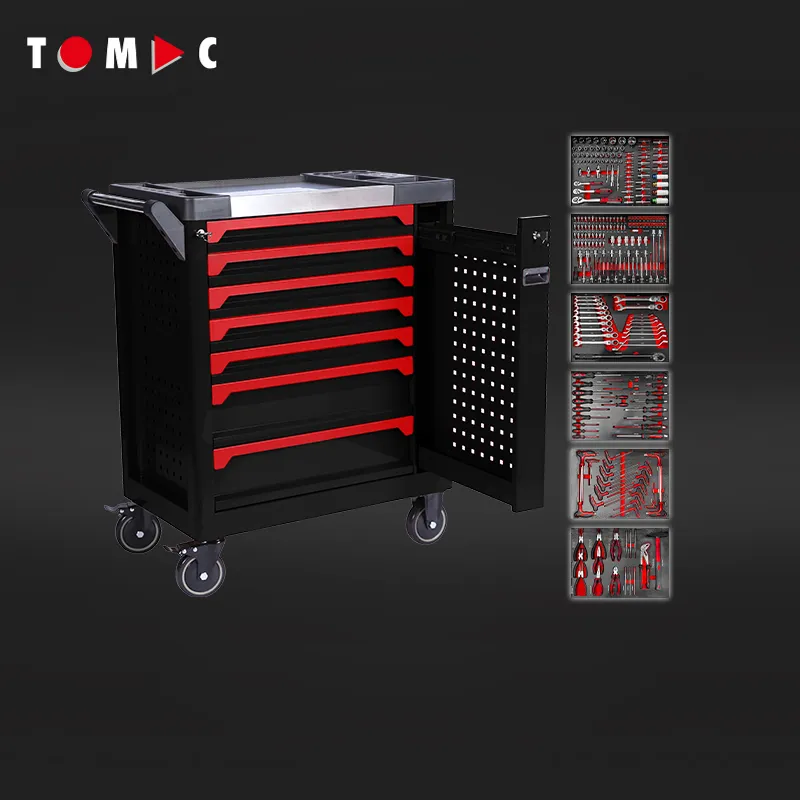
Why the Cabinet Earns Its Keep
How a rolling tool cabinet with drawers Saved Time
An aerospace MRO line lost minutes per task hunting sockets across loose boxes until a rolling tool cabinet with drawers was assigned to each bay with a shadow-board layout. Technicians stopped walking to the central crib, and tool audits that took an hour dropped to ten minutes. The cabinet paid for itself in reclaimed labor before the first drawer wore. Organization, not just storage, is what a mobile cabinet actually sells to a floor manager.
The Risk of Poor Cabinet Care
Dragged across rough floors, a cabinet's casters chip and the frame racks, so drawers bind and tip. Dust and metal fines in the slides grind the bearings. A rolling tool cabinet with drawers left overloaded in one corner twists the body and lets the top wobble. The failure mode is slow and silent until a loaded drawer jams mid-shift, which is when lost time and pinched fingers appear together without warning.
How the Cabinet Is Built to Last
Slides, Casters, and Load Paths
Full-extension ball-bearing slides carry the weight at the sides, not the bottom, so a heavy drawer still opens smoothly. Casters should be rated above the loaded mass, with two locking for stability. A rolling tool cabinet with drawers moves load through the welded frame to the floor, so weld quality decides longevity more than paint finish. Gas struts on a lid reduce slam and strain on hinges over years of use. A central locking bar that secures every drawer at once saves the walk-around and stops a drawer from creeping open on a bump. ESD-safe liners matter in electronics work, where a static zap can silence a board before the job starts.
Materials and Finish That Resist Wear
Powder coating beats raw paint against shop solvents and casual knocks. Steel gauge in the panels sets dent resistance; thin metal rattles and folds. A rolling tool cabinet with drawers with a reinforced base survives being loaded by forklift more than one built for showroom looks. Drawer liners keep tools from sliding and quiet the close, a small detail that protects both kit and ears on a noisy floor. Corner welds take the most abuse when the unit is shuffled, so check them before purchase rather than the showroom shine. A sealed top keeps coolant and dust from collecting in the seams where rust begins.
Keeping the Cabinet Running
What the Standards Say
Commercial storage furniture references ANSI/BIFMA durability tests for drawers and BIFMA level for material health. A supplier holding ISO 9001 shows consistent build. Load-rating labels from the maker tell buyers the real limit, not a catalog guess. A rolling tool cabinet with drawers that ships with documented test data gives purchasers a basis to compare models instead of trusting a photo in a brochure.
Daily Use and Maintenance
Open one drawer at a time to avoid tipping the whole unit. Wipe slides quarterly and add a dry lubricant; wet oils attract grit. Check caster locks before leaning on the top. Keep loads balanced so the frame stays square. Buyers evaluating a rolling tool cabinet with drawers should roll a loaded sample across the actual floor and pull every drawer before committing to a fleet order. A monthly torque check on caster bolts catches loosening before a wheel walks off mid-move. Labeling drawers by trade keeps heavy items low and light ones high, which is the simplest way to stop a cabinet from becoming top-heavy.
A rolling tool cabinet with drawers rewards small habits with years of smooth service. Balanced loads, clean slides, and honest casters keep it square and silent. Selection on weld and gauge, not color, plus a real floor test, turns a storage purchase into a durable workstation that pays back daily in reclaimed minutes.
Frequently Asked Questions
How much weight can a rolling tool cabinet with drawers hold?
It depends on slide and caster ratings, commonly 40 to 80 kg per drawer and several hundred kg in total. Check the maker's label rather than the catalog line, since overloaded slides bind and fail early without obvious warning.
Should drawers be opened one at a time?
Yes. Opening several at once shifts the center of mass forward and can tip the unit, especially when top-heavy. Single-drawer use is the safe habit on any mobile cabinet with casters in a busy workspace.
What lubricant is safe for drawer slides?
A dry PTFE or graphite film works best because wet oils trap dust that then grinds the bearings. Apply a thin coat after wiping old residue, and avoid spray that migrates onto tools and finishes.
How does one stop a rolling cabinet from wobbling?
Level the casters on the floor, lock the two stabilizing wheels, and balance the load so the frame stays square. Persistent wobble usually means a twisted base from overload or a chipped caster needing replacement.
Are powder-coated cabinets better than painted ones?
For shop use, yes. Powder coating resists solvents and chips far better than liquid paint, so the surface keeps protecting the steel underneath through years of knocks, spills, and solvent contact.
Can a rolling tool cabinet with drawers be used outdoors?
Briefly, if the coating is intact and casters are sealed, but standing rain invites rust at seams and locks. Indoor dry storage between uses keeps the slides and bearings alive far longer than constant exposure.