
 EN
EN
 AR
AR
 NL
NL
 FR
FR
 DE
DE
 IT
IT
 NO
NO
 PL
PL
 PT
PT
 RU
RU
 ES
ES
 SV
SV
 IW
IW
 GA
GA
 MI
MI
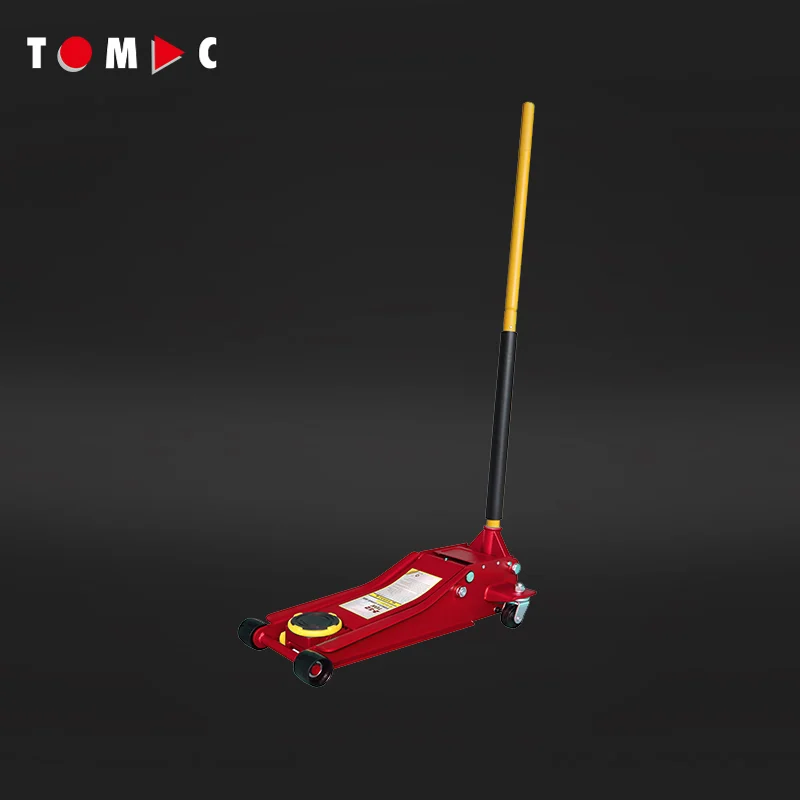
The Recurring Revenue Logic of Hydraulic Jack Distribution
Fleet maintenance facilities and garages consume hydraulic jack units at a rate surprising to distributors entering this market. A mid-sized fleet operator managing 50–80 vehicles typically replaces or adds two to four floor jacks annually — not from catastrophic failure, but because seal degradation, caster wear, and saddle pad deterioration accumulate until maintenance time exceeds replacement cost.
This creates the wholesale distributor's most valuable asset: repeat purchase behavior from clients who standardize on specific models and resist switching. Once a garage integrates a particular jack's lift range, saddle diameter, and handle stroke into daily workflow, switching cost in technician retraining discourages brand changes. The distributor supplying the initial specification locks in replacement orders for the equipment lifecycle.
A regional distributor in Poland built a hydraulic jack wholesale program around municipal bus fleet maintenance. Offering quarterly on-site inspection — checking fluid condition, seal integrity, and lifting performance — the distributor identified end-of-life units before failure. The inspection service generated replacement orders and demonstrated value that price-only competitors could not match.
Specification Factors Driving Wholesale Margins
Weight Class and Application Matching
Hydraulic jacks span 1.5-ton aluminum hybrid models for roadside use to 3-ton steel units for truck bays. The 2-ton class represents the volume sweet spot — lifting most passenger vehicles while light enough for one technician. The 2.5-ton and 3-ton classes serve SUV and commercial fleet applications where capacity margin reduces hesitation about pushing equipment to rated limits.
Low-profile designs with minimum saddle heights of 80–90mm access vehicles with reduced clearance — sports cars, modified suspensions, and EVs with under-body battery packs. Distributors stocking standard and low-profile variants capture two garage segments rather than forcing compromise.
Material and Duty Cycle
Steel jacks dominate the price-sensitive segment. Aluminum hybrid jacks — combining aluminum frames with steel cylinders — reduce weight by 30–40%, appealing to mobile service vans where every kilogram affects fuel efficiency across thousands of annual calls. The double-pump mechanism halves handle strokes to full lift height. For technicians performing 15–20 lifts per shift, this difference compounds into measurable reductions in strain complaints and cycle time.
Safety Features as Selling Points
Safety lock bars with multiple positions prevent accidental descent if hydraulic pressure bleeds during extended under-vehicle work. Overload bypass valves protect cylinders from pressures exceeding design limits. These features translate into liability reduction for garage owners — a value proposition supporting pricing above commodity jacks.
The ASME PASE standard provides the safety framework. Third-party tested jacks demonstrate verified design rather than self-declaration — a distinction mattering to fleet safety officers and insurance underwriters.
Building the Wholesale Model
Stocking depth in 2T and 3T categories with complementary low-profile variants covers roughly 85% of fleet and garage requirements. Adding 20V electric hydraulic jacks — powered by lithium-ion battery platforms — captures the growing segment of garages adopting cordless tools for efficiency. Shanghai Tomac Tools manufactures electric jacks with CE certification that integrate into their existing cordless tool battery ecosystem, allowing distributors to cross-sell hydraulic equipment alongside power tools to the same customer base.
Seal kits, replacement casters, and saddle pads represent consumable revenue extending years beyond the initial sale. Distributors maintaining local parts inventory capture service orders that online-only competitors cannot fulfill within garage downtime tolerances.
Frequently Asked Questions
What hydraulic jack capacity do most garages require?
The 2-ton capacity covers passenger vehicles and light vans — the highest-volume wholesale SKU. Garages servicing SUVs and trucks add 2.5–3-ton units. Fleet facilities stock both classes plus a low-profile model. Shanghai Tomac Tools offers the Tomac ProJack series spanning 1.5T to 3T in manual and electric variants.
How does a double-pump mechanism benefit garage productivity?
Double-pump designs deliver fluid on both upstroke and downstroke, halving strokes to full height. For 15–20 lifts per shift, this reduces repetitive motion and shortens per-vehicle cycle time. Fleets measuring productivity typically justify the premium within six to twelve months.
What causes hydraulic jack failure in fleet environments?
Seal degradation from contaminated fluid accounts for most gradual failures. Caster bearing wear from uneven floors, saddle pad deterioration, and overload valve fatigue complete the pattern. Quarterly inspection catches seal weep and caster looseness before catastrophic failure.
Should distributors stock aluminum or steel hydraulic jacks?
Steel serves the price-sensitive volume segment. Aluminum appeals to mobile providers where weight affects fuel consumption. Most distributors stock steel as base inventory with aluminum as premium upsell. Both generate repeat business, with aluminum commanding higher absolute margin per unit.
How does ASME PASE affect wholesale hydraulic jack sales?
ASME PASE certification signals third-party verification rather than self-declaration. Fleet safety officers reference this standard in specifications. Distributors highlighting ASME compliance differentiate from commodity imports lacking documented safety testing.
What after-sales parts generate ongoing wholesale revenue?
Seal kits, caster assemblies, saddle pads, handle assemblies, and oil fill bottles represent the consumable chain. Shanghai Tomac Tools supports wholesale partners with parts catalogs and availability commitments enabling same-day fulfillment that online competitors cannot match for urgent garage equipment downtime. A jack out of service for three days waiting on parts costs a four-bay garage approximately 24 billable hours, making local parts availability worth a substantial premium over online pricing alone.