
 EN
EN
 AR
AR
 NL
NL
 FR
FR
 DE
DE
 IT
IT
 NO
NO
 PL
PL
 PT
PT
 RU
RU
 ES
ES
 SV
SV
 IW
IW
 GA
GA
 MI
MI
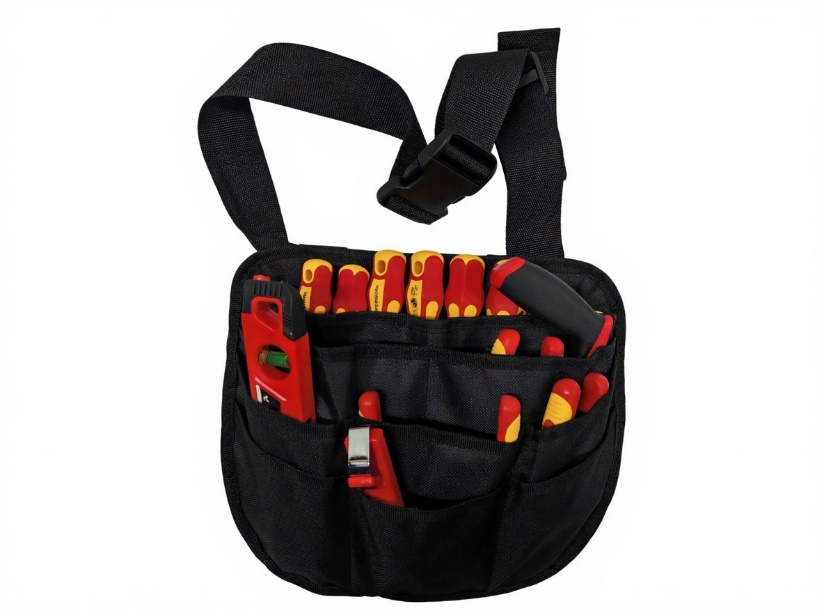
What VDE Certification Really Means for Industrial Electrical Safety
Decoding the VDE Mark: Testing, Voltage Ratings (1000 V AC / 1500 V DC), and Third-Party Verification
The VDE certification goes way beyond basic compliance requirements. To get that mark, tools actually need to pass dielectric tests at 10,000 volts before they can claim an operational rating of 1000 V AC or 1500 V DC. That's well above what most jobsites actually demand day to day. The testing process gets even tougher when manufacturers have to dunk these tools while they're still powered on to check for any insulation breakdowns or current leaks, especially important stuff when working around water or damp conditions. What makes this system trustworthy is that the VDE Institute does all the independent checks themselves, assigning each batch its own special code so nobody can fake it. Real world numbers back this up too. When workers stick to the proper specs, VDE certified tools cut down electrical accidents by about 87% compared to cheaper knockoffs. And manufacturers aren't off the hook once they get certified either. They face surprise inspections every year at their factories to make sure quality stays consistent throughout all those production runs.
VDE vs. IEC 60900: Why Compliance Alone Doesn’t Guarantee Field Safety
Both standards deal with insulated hand tools, but VDE certification actually requires much tighter controls compared to what IEC 60900 considers acceptable. The main difference is that VDE insists on yearly factory checks while IEC only needs a single approval process. This means manufacturers stay accountable over time rather than getting a one shot pass. Tools that meet IEC standards frequently don't have proper batch tracking, which makes it harder to spot when insulation starts breaking down as they age. Real world testing shows something worrying too: around 4 out of 10 tools that were initially certified still show problems during routine checks after just half a year on the job site. Things like chemicals, constant wear and tear, and temperature changes all chip away at insulation in ways standard tests simply miss. For anyone working with these tools day to day, combining VDE certification with regular hands-on inspections and thinking through potential environmental hazards makes all the difference for staying safe in actual conditions.
Essential VDE Tools for High-Risk Industrial Electrical Tasks
Handling live circuits demands specialized VDE tools, engineered specifically for electrical hazards. These certified instruments provide critical safety layers beyond standard equipment, with insulation rigorously tested for durability in demanding industrial settings.
Screwdrivers, Pliers, and Cutters: Core VDE Tools for Routine Live-Work Applications
When working on routine jobs such as adjusting panels or making wire changes, having insulated VDE screwdrivers and pliers around is pretty much a must. The handles on these tools have two layers that can handle up to 1000 volts AC or 1500 volts DC, which helps prevent dangerous situations like arc flashes or getting shocked when touching live parts. The cutters on these tools are ground with precision so they slice through wires cleanly without damaging the conductors inside, something that actually cuts down on those hidden problems that might show up later. According to VDE standards, these tools go through thousands of stress tests and regular checks to make sure they keep providing protection all through their useful lifespan.
Socket Wrenches, Torque Tools, and Specialty VDE Tools for Panel Integration and HV Environments
Working on high voltage installations or inside tight panels means having the right tools for the job. Extended reach sockets and properly calibrated torque wrenches with VDE certification are essential for getting those bolts just right on busbar systems. They also help keep workers at a safe distance from live components that can go up to 1500 volts DC. There are other specialized tools too. Insulated cable knives and knockout punch drivers come in handy for specific situations. These kinds of tools matter a lot during substation upgrades or when modifying motor control centers (MCCs). Regular tools actually pose a bigger danger here. Studies show they raise the risk of arc flashes by about 63 percent according to the Electrical Safety Foundation report from last year.
How to Select and Validate VDE Tools in Real Industrial Settings
Key Selection Criteria: Voltage Rating, Insulation Integrity, Ergonomic Design, and Batch Traceability
When it comes to picking out safe VDE tools, there are actually four main things to check off before making any purchase decisions. Number one is getting the right voltage rating for what needs doing. Most standard industrial setups require tools with insulation that meets the VDE 0682 standard at around 1000 volts AC or 1500 volts DC. Then comes checking how well the insulation holds up over time. Regular dielectric tests should be part of maintenance routines since stuff like humidity, dust buildup, and chemicals floating around can really break down those protective coatings. We've seen studies showing that in dirty environments, the chance of electric shock goes way up about 63%. Third on the list? Look for tools with comfortable handles that won't slip from sweaty hands. Less hand fatigue means fewer accidents when working inside tight electrical panels where mistakes cost dearly. And last but definitely not least, make sure each tool has proper batch traceability information. Knowing exactly where something was made makes recalls much easier when problems pop up. Many top brands now include QR codes so workers can quickly scan and confirm safety credentials directly from their smartphones against official records. Following these basics turns paper certifications into real world protection day after day.
Beyond Certification: Critical Operational Limits of VDE Tools in Industry
Environmental Risks — Humidity, Contamination, and Mechanical Damage That Compromise VDE Tool Safety
VDE certification sets an important standard for electrical safety, but it doesn't account for what happens when tools actually get used in the real world. Environmental conditions constantly attack insulation integrity. When humidity climbs over 60% relative humidity, insulated handles start conducting electricity on their surfaces, which increases the chance of shocks during live work, particularly in places where moisture is everywhere like wastewater treatment facilities. Contaminants such as oil residues, solvents, and metal particles create paths for current to travel across tool surfaces. Some testing showed that screwdrivers exposed to lubricants lost their insulation protection three times quicker than normal. Mechanical damage from dropping tools, getting crushed, or storing them improperly leads to tiny cracks that can't be seen with just eyesight but become major problems when pressure builds up. Research suggests around 78% of failed VDE pliers had signs of previous impacts. And here's something surprising: even properly certified tools aren't immune to failure. A recent safety check discovered that about 42% of breakdowns happened with VDE approved equipment that had been sitting in unpredictable environments. Looking at handles regularly for any swelling, color changes, or wear spots isn't optional stuff anymore. No amount of paper certifications can tell us how tools will hold up when they're actually put through their paces day after day.
FAQ
What does VDE certification involve?
VDE certification involves rigorous testing, including dielectric tests at 10,000 volts, to ensure tools can handle operational ratings of 1000 V AC or 1500 V DC. The VDE Institute does all independent checks with each batch having its own special code.
How does VDE certification compare to IEC 60900?
VDE certification requires stricter controls, including yearly factory checks, while IEC 60900 involves only a single approval process. VDE ensures accountability and proper batch tracking over time.
What are key tools for working with live circuits?
Essential VDE tools include insulated screwdrivers, pliers, cutters, socket wrenches, and torque tools, all designed to prevent electrical hazards and suitable for high-risk environments.
What factors should be considered when selecting VDE tools?
Important considerations include the correct voltage rating, insulation integrity, ergonomic design, and batch traceability, to ensure safety and proper maintenance.
What environmental risks affect VDE tools?
Environmental risks like high humidity, contamination, and mechanical damage can compromise the integrity of VDE tools, affecting their safety performance in actual industrial conditions.