
 EN
EN
 AR
AR
 NL
NL
 FR
FR
 DE
DE
 IT
IT
 NO
NO
 PL
PL
 PT
PT
 RU
RU
 ES
ES
 SV
SV
 IW
IW
 GA
GA
 MI
MI
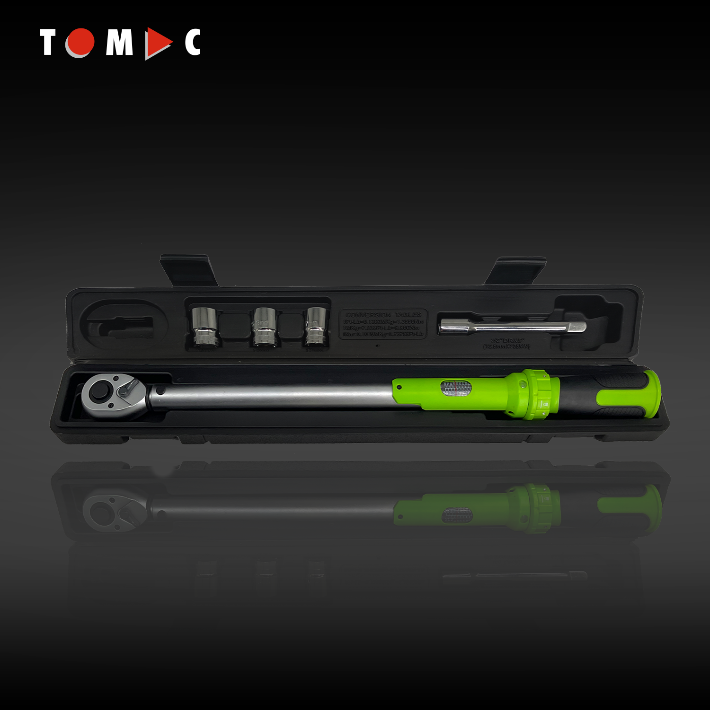
Why Torque Wrench Calibration Is Critical for Safety and Compliance
Getting the right amount of torque applied to bolts is critical for preventing major equipment breakdowns. Bolts that are too loose will just come undone when things get stressful, but going too hard can actually damage materials and warp joints over time. Look at places where mistakes really matter, such as aircraft construction or building bridges. A study by Ponemon back in 2023 showed that faulty torque tools were responsible for around a quarter of all mechanical problems related to fasteners. Keeping tools properly calibrated means meeting those important standards like ISO/IEC 17025 and having traceability back to NIST measurements, which helps companies avoid getting hit with lawsuits later on. The numbers tell an interesting story too. When manufacturers fail to tighten bolts according to specs, they end up paying out over seven hundred forty thousand dollars per incident on average in both manufacturing plants and power stations. These costs could be avoided entirely through routine calibration checks. And it's not just about money either. Safety matters a lot too. According to OSHA data, nearly one out of every five injuries during assembly work happens because of issues with fasteners, usually due to tools being set incorrectly. Plus, proper calibration keeps the necessary quality records straight for inspections in regulated fields like car manufacturing, plane maintenance, and even nuclear facilities.
Step-by-Step Torque Wrench Calibration Procedure (ISO/IEC 17025 & NIST-Traceable)
Pre-calibration inspection: Visual, mechanical, and functional checks
Start by looking closely at the tool for any signs of physical damage such as cracks, dents or parts that seem worn out from regular use. Check how well the mechanical parts work together by testing things like the ratchet mechanism and whether springs still hold their tension properly. Also make sure everything moves smoothly when adjusting the dial and that scales line up correctly during operation. Doing these basic checks first saves time and money because we catch bad tools before they even get calibrated. According to some industry research published last year in Metrology Journal, around one third of all torque wrenches actually fail their first inspection simply because they've been dropped somewhere or stored incorrectly over time.
Execution using certified reference standards and proper loading protocols
When setting up torque testing, it's important to use calibrated devices that can be traced back to NIST standards. These tests should cover 20 percent, 60 percent, and full capacity of whatever tool is being checked. Technicians need to slowly apply force to the wrench according to ISO 6789 guidelines while keeping track of any variations at each stage of testing. If there are issues with the readings, adjustments inside the mechanism will need to happen until everything falls within plus or minus four percent accuracy range. For proper validation, calibration experts generally run three tests in a row that all match pretty closely together. Following this procedure helps meet those ISO/IEC 17025 standards regarding traceable measurements that most industries require nowadays.
Determining the Right Calibration Frequency for Your Torque Wrench
Usage-based triggers: Cycles, shifts, and event-driven recalibration
Establish calibration intervals by tracking operational patterns. Follow ISO 6789:2017 guidelines—recalibrate every 5,000 cycles or 12 months, whichever occurs first. High-frequency environments like assembly lines may require verification after every 500 shifts. Event-triggered protocols mandate immediate calibration after:
- Sudden impacts or drops exceeding 1 meter
- Over-torquing beyond the wrench’s rated capacity
- Exposure to corrosive substances or extreme temperatures
Environmental and risk-adjusted scheduling for aerospace, automotive, and structural applications
Industries that can't afford equipment failures tend to use risk based calibration scaling when setting maintenance schedules. The aerospace sector usually needs checks every three months because even small mistakes with fasteners can lead to total system failures. Car manufacturers generally stick to monthly recalibrations across their assembly lines. For structural steel work in places with constant vibrations, most companies go for about six weeks between checks. When temperatures get really hot over 40 degrees Celsius or drop below minus ten, plus all the dust buildup and changing humidity levels, these factors make instruments drift out of spec much faster. That means cutting recommended intervals down by around thirty percent just to stay within safe operating parameters.
Accredited Calibration vs. Internal Verification: When Each Is Valid
When talking about accredited calibration done at labs certified under ISO/IEC 17025 standards, we're looking at something that traces back to national standards. For really important stuff like structural bolts or parts in airplanes, these calibrations are actually required because even small errors beyond plus or minus 1 percent can lead to serious problems down the line. The actual process includes measuring errors very carefully with equipment that's traceable to NIST standards. Labs also produce official documents showing compliance which regulators need to see during their audits. Then there's internal verification too. Companies do this themselves using properly calibrated reference tools. It gives quick yes/no results based on set tolerances and works well for regular maintenance checks between full calibrations. Sure, it saves money for things that aren't so critical, but remember those internal checks don't hold up legally like proper accreditation reports do. That means regulated industries still need to stick with formal calibration procedures despite the extra costs involved.
Companies need to match their calibration practices to the level of risk involved. Safety critical torque applications typically need accredited calibration either once a year or after every 5,000 cycles, while general workshop tools can get away with monthly checks. Take automotive manufacturing as an example. The big car makers insist on proper accreditation when dealing with engine mount bolts since those failures could be catastrophic. But for things like dashboard parts or seat covers, they often rely on their own internal checks instead. When there's actual danger to people or real money on the line from regulators, getting that official calibration stamp becomes absolutely essential. No shortcuts allowed in these situations.
FAQ
Why is torque wrench calibration critical for safety?
Proper torque wrench calibration helps prevent accidents and equipment failures by ensuring bolts are tightened to the correct specifications, reducing the risk of material damage and personal injuries.
How often should a torque wrench be calibrated?
Calibration intervals are usually determined based on usage patterns, following guidelines like ISO 6789:2017, which recommend recalibration every 5,000 cycles or 12 months.
What are the differences between accredited calibration and internal verification?
Accredited calibration includes formal testing in certified labs and is necessary for critical tasks, while internal verification is a quicker, regular check using calibrated reference tools for less critical applications.