
 EN
EN
 AR
AR
 NL
NL
 FR
FR
 DE
DE
 IT
IT
 NO
NO
 PL
PL
 PT
PT
 RU
RU
 ES
ES
 SV
SV
 IW
IW
 GA
GA
 MI
MI
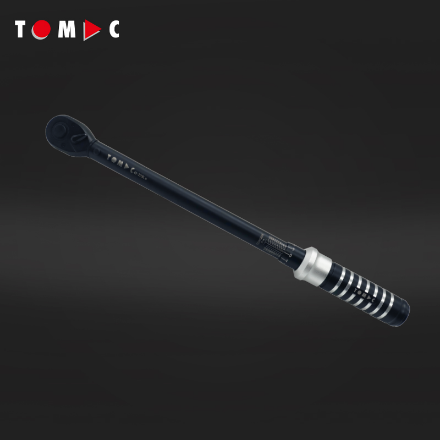
Why Torque Wrench Calibration Matters for Safety and Performance
Proper torque application prevents catastrophic failures—a NASA study found 23% of mechanical failures in rotating equipment trace back to incorrect fastener tension (2022). Calibration ensures tools deliver force within ±3% accuracy, meeting critical standards like ISO 6789 and ASME PCC-1.
The Role of Accurate Torque in Preventing Mechanical Failure
When aerospace bolts get over tightened, they actually end up cracking engine mounts instead of securing them properly. And if bridge girders aren't torqued enough? Well that just asks for trouble with possible structural failures down the road. According to some research from NIST back in 2023, around seven out of ten torque wrenches start giving inaccurate readings once they hit about a thousand cycles even after being recalibrated. Because of this issue, top manufacturers insist on checking these tools every three months for really important jobs like putting together wind turbines or making medical devices where precision literally matters for lives.
Risks of Using Uncalibrated Torque Wrenches in Industrial and Automotive Settings
A NHTSA investigation revealed 19% of highway incidents involving wheel separations stemmed from under-torqued lug nuts (2021). In petrochemical plants, uncalibrated tools caused 14 valve leak incidents last year alone:
| Scenario | Calibrated Tool | Uncalibrated Tool |
|---|---|---|
| Pipe Flange Assembly | 0 leaks | 3 leaks |
| Machinery Bolting | 98% spec compliance | 67% spec compliance |
FM Global data shows facilities using irregular calibration schedules experience 42% higher repair costs (2023).
How Incorrect Torque Affects Equipment Lifespan and Operational Safety
Hydraulic presses maintained with uncalibrated wrenches required bearing replacements 40% more frequently (Manufacturing Journal 2023). A recent industry analysis found properly calibrated tools reduce safety incidents by 58% in mining operations. MSHA reports link 62% of 2023 conveyor belt accidents to unverified torque tool accuracy.
When and How Often to Calibrate a Torque Wrench
Recommended calibration intervals based on usage and industry standards
Standards such as BS EN ISO 6789:2017 generally advise that torque wrenches should be calibrated at least once a year or after around 5,000 uses, whichever happens sooner. When working on critical equipment in industries like aerospace, automotive repair shops, or power generation facilities, many experts actually recommend checking these tools every three months because of all the stress they endure during operation. Wrenches that get constant use on production floors typically need recalibration somewhere between three to six months apart. But those sitting on shelves in temperature controlled storage areas might still work fine with just one check per year. Manufacturers always know best though so it pays to compare what they say with how the tool is actually being used. Take impact wrenches for instance, ones that experience lots of shaking and vibration tend to lose accuracy much quicker compared to their lower torque cousins.
Key signs your torque wrench needs immediate recalibration
- Inconsistent click mechanism: Failure to produce a crisp, repeatable "click" at set torque values
- Visual damage: Bent handles, misaligned scales, or rust in adjustment components
- Post-impact events: Dropping a wrench from heights exceeding 1 meter (3.3 ft) often requires rechecking
- Storage-induced drift: Tools left loaded at non-zero settings for months develop spring memory errors
A 2025 field study found 38% of torque-related equipment failures traced to wrenches used beyond their calibration window. Test questionable tools against a certified torque tester before critical tasks—deviation exceeding ±4% from target values demands immediate service.
Step-by-Step Guide to DIY Torque Wrench Calibration
Setting up the calibration rig with a known weight and calibrated arm
Start by attaching a standard weight, say something like a 50 pound block, to a sturdy horizontal arm that has been properly calibrated. The alignment matters quite a bit here. If the pivot point of the arm isn't lined up exactly with the square drive centerline of the torque wrench, even a small offset of just 1/8 inch can throw off readings by around 3.7 percent according to NIST research from 2023. Most experienced technicians actually prefer vertical rigs when checking torque through gravity because horizontal arrangements tend to create more friction problems that affect accuracy. This little adjustment makes all the difference in getting reliable results during testing.
Securing the torque wrench and measuring handle distance accurately
Lock the wrench into the calibration fixture using a torque multiplier adapter, ensuring zero angular deflection during loading. Measure the handle’s effective length from the center of the square drive to the force application point with a Class 1 calibrated tape measure—most errors originate from ±0.12" measurement inaccuracies (ISO 6789:2023).
Calculating expected torque using weight and lever arm length
Use the fundamental torque formula:
| Weight (lb) | Lever Arm (ft) | Expected Torque (lb-ft) |
|---|---|---|
| 30 | 1.5 | 45 |
| 50 | 2.0 | 100 |
| 75 | 1.2 | 90 |
Multiply weight by gravitational acceleration (9.81 m/s²) and lever arm length for metric calculations. Discrepancies over 4% indicate calibration drift.
Adjusting the wrench’s internal spring tension for accuracy
Locate the calibration nut beneath the handle grip. Turn clockwise to increase tension (higher torque values) or counter-clockwise to decrease, using a 0.1 N·m resolution torque screwdriver. Manufacturers typically allow ±1/8-turn adjustments per 5% torque correction—exceeding this risks spring deformation.
Testing the click point and verifying consistency across multiple trials
Conduct three consecutive tests at 20%, 50%, and 100% of the wrench’s range. Acceptable variance is ±3% between trials (ASME B107.14-2023). If results exceed tolerance, check for thermal expansion effects on calibration weights or handle slippage in the fixture.
Validating Calibration Accuracy and Ensuring Reliable Results
Comparing Results Against Manufacturer Specifications and Acceptable Tolerances
Once the torque wrench has been properly calibrated, it's important to check how accurate it really is by comparing results with what the manufacturer says should happen. According to some industry research from LinkedIn back in 2023, around one out of every eight calibrated torque tools starts going outside acceptable limits just 60 days after being set up correctly. Think about something as simple as tightening those lug nuts on cars where typical forces range between 89 and 149 Newton meters. A small error of only 5% in this situation might cause serious problems down the road like parts coming loose or bolts getting stretched beyond their limits. To get reliable readings, most professionals recommend using another tool that's already been checked and tested. Run through three different checks at roughly 20%, halfway mark at 50%, and full power at 100% of whatever the wrench can handle.
Documenting Calibration Data for Traceability and Quality Control
Maintain detailed records showing:
| Metric | Purpose | Example Entry |
|---|---|---|
| Pre-calibration error | Baseline performance tracking | +3.2% at 75 Nm |
| Post-adjustment values | Proof of corrective action | 0.5% tolerance achieved |
| Environmental conditions | Error source identification | 22°C, 45% humidity |
These records provide audit trails for ISO 9001 compliance and help identify wear patterns in the torque wrench’s internal spring mechanism.
Identifying Common Sources of Error in DIY Calibration Setups
Three frequent accuracy killers account for 78% of calibration failures in DIY setups according to Six Sigma calibration protocols:
- Incorrect lever arm measurement (≥2% error per 0.5cm deviation)
- Unstable weight suspension causing dynamic load variations
- Temperature fluctuations altering spring steel elasticity (0.03% accuracy loss per °C change)
Conduct validation tests at multiple torque levels to detect non-linear response curves indicating mechanical wear. For operations requiring ±1% accuracy thresholds, professional calibration services using ISO/IEC 17025-accredited equipment remain the gold standard.
Professional vs. DIY Torque Wrench Calibration: What’s Best for Your Needs?
Benefits of certified calibration services for precision-critical applications
In fields where precision matters most, such as putting together aircraft parts or making medical devices, getting torque wrenches properly calibrated makes all the difference. When done right by professionals, these tools stay accurate within about 1% of what they're supposed to measure. Most factories need this kind of reliability because around 93% of their quality checks depend on documentation that traces back to national standards through ISO 17025 certification. Calibration services offered by specialty labs usually keep tools performing well for over 5,000 tightening operations before needing another check. That's pretty impressive when we look at what happens with do-it-yourself approaches. Tests show homegrown methods start drifting off track with about 12% error after only fifty times someone uses them (as per ASTM E2428-22 standards). So it really pays off to invest in proper calibration if avoiding costly mistakes is part of the business plan.
Cost, time, and accuracy trade-offs of home calibration methods
DIY calibration kits save about $50 to $100 right off the bat compared to what pros charge between $75 and $200, though there is a catch. These home setups take anywhere from 2 to 3 hours each time someone does them, while labs can get results back within a day. The problem comes down to accuracy too. Tests show these homemade approaches with pulleys and weights give readings that vary around 15% over ten tries, which is way above the 4% margin needed for cars. For simple jobs where precision doesn't matter much, going the DIY route works fine. But mechanics who actually work on vehicles and buildings tell us something interesting: when they switch to properly calibrated equipment, they end up getting called back roughly 34% less often for fixes that shouldn't have happened in the first place.
FAQ
Why is torque wrench calibration important for safety and performance?
Proper calibration ensures that torque tools deliver force within specified accuracy, preventing catastrophic mechanical failures and meeting industry standards like ISO 6789 and ASME PCC-1.
How often should a torque wrench be calibrated?
Generally, torque wrenches should be calibrated at least once a year or every 5,000 uses. For critical equipment, more frequent calibration every three to six months is advisable.
What are the key signs a torque wrench needs recalibration?
Signs include inconsistent click mechanisms, visible damage, post-impact events, and storage-induced drift.
Is DIY calibration as reliable as professional services?
DIY methods can save money but often lack accuracy, with a higher potential for error compared to professional calibration, which is more reliable, especially for precision-critical applications.
Table of Contents
- Why Torque Wrench Calibration Matters for Safety and Performance
- When and How Often to Calibrate a Torque Wrench
-
Step-by-Step Guide to DIY Torque Wrench Calibration
- Setting up the calibration rig with a known weight and calibrated arm
- Securing the torque wrench and measuring handle distance accurately
- Calculating expected torque using weight and lever arm length
- Adjusting the wrench’s internal spring tension for accuracy
- Testing the click point and verifying consistency across multiple trials
-
Validating Calibration Accuracy and Ensuring Reliable Results
- Comparing Results Against Manufacturer Specifications and Acceptable Tolerances
- Documenting Calibration Data for Traceability and Quality Control
- Identifying Common Sources of Error in DIY Calibration Setups
- Benefits of certified calibration services for precision-critical applications
- Cost, time, and accuracy trade-offs of home calibration methods
- FAQ