
 EN
EN
 AR
AR
 NL
NL
 FR
FR
 DE
DE
 IT
IT
 NO
NO
 PL
PL
 PT
PT
 RU
RU
 ES
ES
 SV
SV
 IW
IW
 GA
GA
 MI
MI
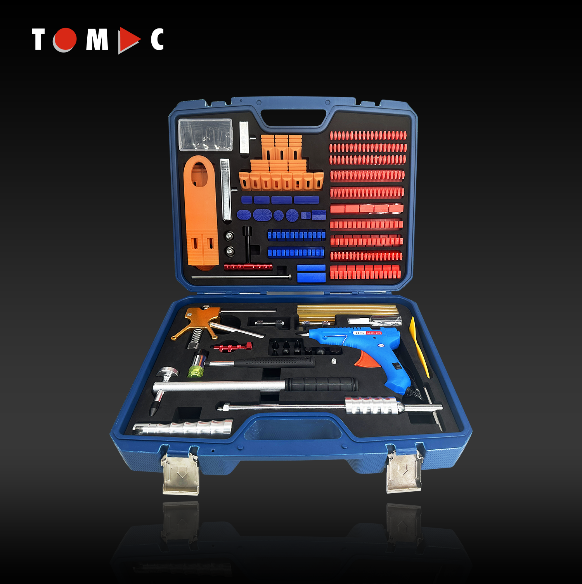
Core Dent Repair Tools for Precision Paintless Dent Repair (PDR)
PDR Rods, Hooks, and Tabs: Mastering Leverage and Control for Shallow to Medium Dents
Paintless dent repair relies heavily on specialized rods when dealing with those pesky shallow to medium depth dents. These tools let techs push from underneath car panels something that matters a lot because nobody wants to mess with factory paint jobs using fillers or touch ups. The hooks come in handy for getting into tight spots around wheel wells and door frames, while the tabs find purchase points where fingers just cant reach. Getting good results takes practice though. Too much pressure and the metal might warp instead of popping back into shape. According to shop stats, most door dings and hail damage cases get fixed right with these rods alone. Many pros will grab their knockdown tools afterwards to smooth things out and make sure everything looks factory fresh again.
Glue Pull Systems: When Adhesive-Based Dent Removal Outperforms Rod Techniques
When working on spots where getting behind the panel isn't possible like those tricky quarter panels, along roof edges, or anything hidden behind structural reinforcements, glue pull systems become really important. The process involves sticking temperature resistant glue right onto the middle of the dent and then pulling the damage outwards with either a slide hammer or bridge lifter setup. These days, the newer adhesive products can handle well over 300 pounds per square inch of pressure without leaving any sticky mess behind, which means mechanics don't have to tear apart interiors when dealing with complicated car bodywork. Industry data shows that compared to traditional rod methods, this technique cuts down repair times around 30% for bigger but not too deep dents. Plus it makes a big difference when handling those super thin aluminum panels found on most electric vehicles these days, reducing the chances of causing further damage during repairs.
Diagnostic Lighting and Reflection Tools for Accurate Dent Assessment
LED Light Boards and Linear Reflectors: Revealing Sub-Millimeter Deformations in Real Time
LED light boards along with those linear reflectors really make all the difference when it comes to spotting tiny flaws on car bodies. These lights cast super bright beams right onto panel surfaces, creating sharp shadows that can actually reveal dents down to about half a millimeter in size. Mechanics constantly tweak the angle of these lights while working on repairs so they can watch how metal shifts as they work. This lets them apply just the right amount of pressure and cuts down on wasted effort fixing things wrong by around forty percent over regular shop lighting. What's great is that portable LED systems work reliably no matter where they're used, whether in a dark garage or out in the bright sunlight at a service bay.
Whale Tails and Flexible Contour Panels: Adapting Reflection to Curved and Tight-Area Surfaces
When dealing with complex shapes, special reflective tools become necessary. Whale tail tools those long, narrow devices along with flexible panels can wrap around all sorts of curves such as wheel wells and door frames. These tools adjust their reflective properties so they can spot dents in hard to reach places without having to take anything apart, something regular flat boards just cant do because they leave gaps where problems hide. Industry data suggests these adaptable tools give technicians access to about 95 percent of tricky spots. The mirrored surfaces keep the right lighting angle even on complicated curves, making it possible to map out dents accurately without damaging original factory seals or paint jobs. This works really well around sensitive areas like headlight housings and decorative trim pieces too, which saves time when fixing today's sleek car bodies.
Supportive Dent Repair Tools for Stability, Access, and Surface Verification
Knockdown Tools, Soft-Face Hammers, and Aluminum Spotters: Minimizing Risk While Maximizing Feedback
When working on damaged metal, knockdown tools are great at flattening those high spots without stretching panels or compromising the overall structure. For areas where paint needs protection, soft face hammers come in handy. These have either polymer or rawhide faces that let technicians tap gently without damaging finishes. The handle gives good feedback so adjustments can be made quickly when needed. Aluminum spotters work well too. They act like light weight backing plates placed behind dents while hammering happens. What makes them useful is how they take up the impact energy and fit nicely against curved surfaces, which stops new dents from forming elsewhere. According to some recent studies from 2024 in collision repair shops, this combination actually cuts down mistakes made by techs around 32%. The way these tools distribute force plus the feel they provide means even tricky spots get fixed properly. That's why body shops rely heavily on them for getting cars back looking showroom fresh without messing up existing paint jobs.
Choosing the Right Dent Repair Tools Based on Dent Type, Location, and Technician Experience
When picking the right tools for fixing car dents, there are basically three things to consider: what kind of dent we're dealing with, where it's located on the vehicle, and how skilled the technician is. For those little shallow dents that aren't more than half an inch deep on flat areas such as hoods or doors, most pros will reach for glue pull kits or suction devices. These work pretty well because they spread out the force across the surface area and generally don't scratch up the paint job. But when facing those sharp edged dents close to body lines or structural parts, things get trickier. That's when technicians need to bring out their special tools like PDR rods and knockdown tools to carefully reshape the metal from underneath the panel. Experience really matters here too. Complex jobs around edges or curves take someone who knows their way around specialized reflectors and contoured panels without putting too much stress on thin car sheet metal. Getting the right match between tools and situation means better results with less risk of damaging the paint, and ultimately saves money by avoiding mistakes down the road.
FAQ
What are the primary tools used in Paintless Dent Repair (PDR)?
The primary tools used in PDR include specialized rods, hooks, tabs, glue pull systems, diagnostic lighting, reflection tools such as LED light boards, whale tails, flexible contour panels, knockdown tools, soft-face hammers, and aluminum spotters.
How do glue pull systems differ from rod techniques in dent repair?
Glue pull systems use adhesive to bond with the dent and then employ a slide hammer or bridge lifter to pull the dent outward, which is different from rod techniques that push dents from inside the panel. Glue systems are ideal for areas where access to the back of the panel is not possible.
Why are LED light boards and reflectors important in dent repair?
LED light boards and reflectors help reveal small imperfections in car bodies by casting bright beams on panel surfaces, creating shadows on the deformations. These tools help technicians apply precise pressure and reduce repair errors.
Table of Contents
- Core Dent Repair Tools for Precision Paintless Dent Repair (PDR)
- Diagnostic Lighting and Reflection Tools for Accurate Dent Assessment
- Supportive Dent Repair Tools for Stability, Access, and Surface Verification
- Choosing the Right Dent Repair Tools Based on Dent Type, Location, and Technician Experience
- FAQ