How the Ratchet Wrench Mechanism Delivers Controlled Precision
Gear-and-Pawl Design: Enabling Directional Torque Transfer Without Re-Gripping
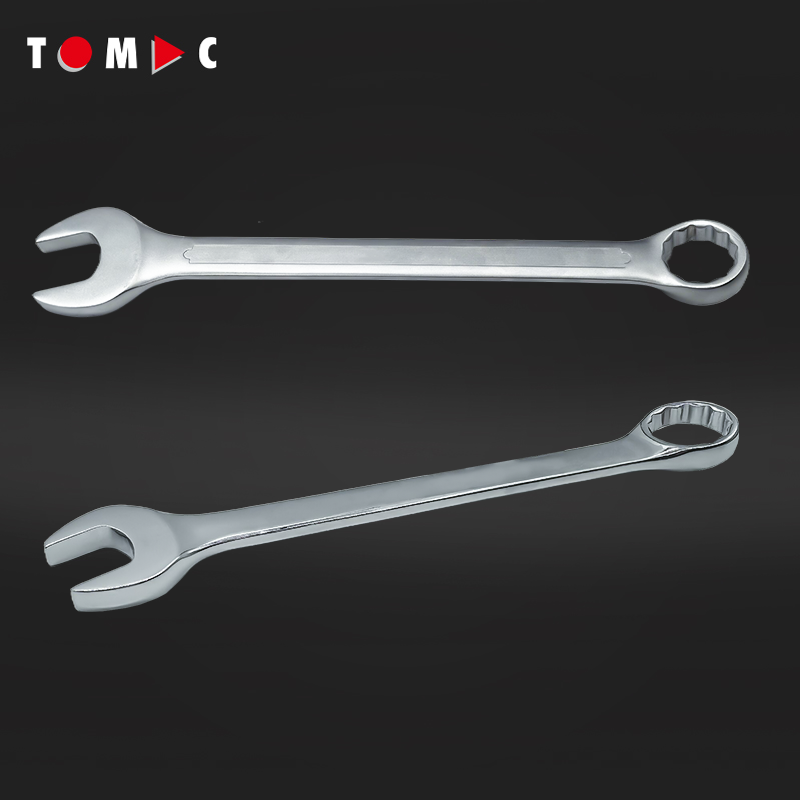
What makes a ratchet wrench so efficient? It all comes down to that clever gear and pawl setup inside. When we talk about these tools, there's this spring loaded pawl that clicks into those angled teeth around the gear. The magic happens because it lets torque go one way but just slides right back when we pull the handle. No need to pick up and reset the whole thing after every twist. Pretty handy stuff, especially when working in tight spots like engine compartments where getting a full swing just isn't possible. Quality ratchets usually have at least 72 teeth, sometimes more. That means they can work with really small arcs, maybe as little as 5 degrees compared to regular wrenches needing about 30 degrees of movement. These finely toothed gears stay accurate within plus or minus 0.001 inches, so they keep working properly even after thousands of turns. And let's not forget about those professional grade springs inside. They don't wear out easily from constant pressure, which keeps things from slipping even when dealing with heavy loads over 100 foot pounds. All this directional control makes tightening bolts feel smoother, less tiring for mechanics who deal with complicated fastening jobs day in and day out.
Free-Stroke Efficiency and Backlash: Understanding Real-World Precision Limits
Ratcheting systems are pretty revolutionary stuff, but they do have their limits when it comes to physics. Free stroke refers to how much handle movement is required before the next tooth engages, and this directly affects how efficient these tools work. Fine tooth ratchets typically offer around 3 to 5 degrees of free stroke, though they need much tighter manufacturing specs to function properly. Backlash remains a bigger problem though. When changing direction, there's always some angular play, and even top quality tools will show about 1 to 2 degrees of mechanical slack. This becomes noticeable especially when working on delicate parts such as transmission cases or cylinder head bolts. Most experienced techs know to apply smooth, continuous pressure instead of jerky movements. They'll use calibrated torque wrenches for the final tighten down and often go with coarser tooth designs (around 24 to 36 teeth) when dealing with heavy torque jobs where small amounts of backlash don't matter so much. Keep in mind that this play gets worse over time, particularly at those pawl contact points. Regular oiling and replacing springs when needed helps keep everything running within acceptable parameters according to what the manufacturer intended.
Ratchet Wrench Applications in Tight Automotive Spaces
Engine Bay, Suspension Subframes, and Confined Fastening Zones
Car mechanics turn to ratchet wrenches all the time when regular tools just won't fit—especially deep inside engine compartments, around suspension parts, or behind dashboards. These days, cars are packed so tight that there's barely room to move, sometimes only about 1.8 centimeters between components. That means technicians need super slim wrench heads, maybe around 14mm thick, and they have to work at
FAQ Section
What is the gear-and-pawl mechanism in a ratchet wrench?
The gear-and-pawl mechanism in a ratchet wrench allows torque to be transferred in one direction without needing to re-grip, making it efficient and ideal for tight spaces.
How does backlash affect the precision of ratchet wrenches?
Backlash refers to the angular play within the ratchet system when changing direction and can impact the precision of the tool, especially on delicate parts.
Why are ratchet wrenches preferred in tight automotive spaces?
Ratchet wrenches are preferred in tight automotive spaces because they require less room to operate efficiently and have slim wrench heads suitable for confined areas.

 EN
EN
 AR
AR
 NL
NL
 FR
FR
 DE
DE
 IT
IT
 NO
NO
 PL
PL
 PT
PT
 RU
RU
 ES
ES
 SV
SV
 IW
IW
 GA
GA
 MI
MI
 Hot News